High Court adjournment of appeal leaves Julian Assange and all media workers in limbo
Reacting to the UK High Court’s decision to adjourn Julian Assange’s permission to appeal his...
Read More
Right now, thousands of individuals around the world are denied the basic freedoms we all value.
People all around the world face human rights violations at the hands of their own government. Often it can be for simple, everyday actions that we take for granted – like voicing their opinions or belonging to a particular group. Tragically, some of these people will be sentenced to death or left languishing on death row for decades.
The issue in depth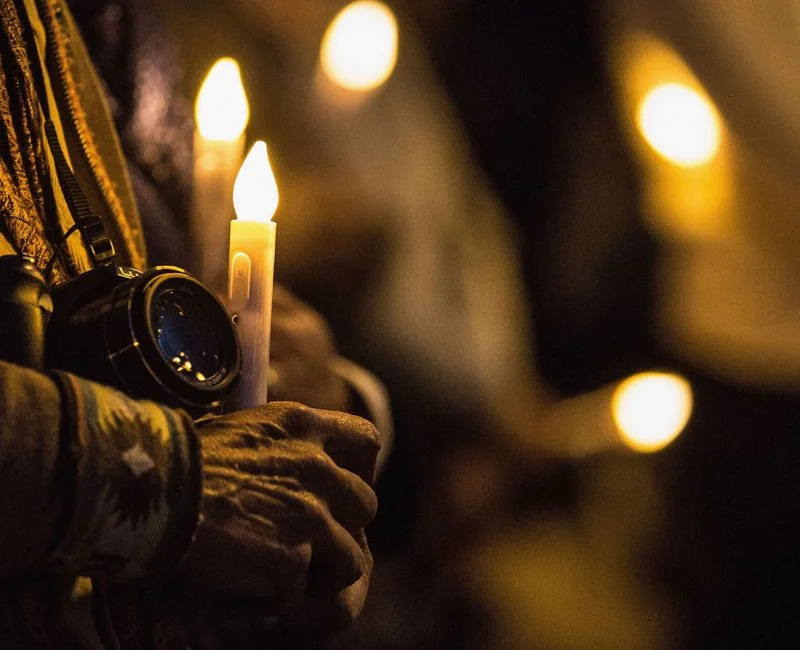
Everything you need to know
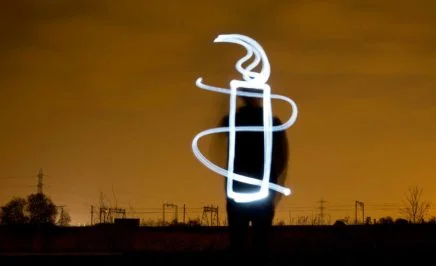
In many countries, people who peacefully stand up for what they believe can find themselves in dark places. Places where the world can no longer see what is happening. For over 50 years, Amnesty International has shone a light in these places where human rights abuses occur.
To do this we expose the very things that governments don’t want you to know about and we mobilise people like you to take action. We focus on cases where individuals find themselves in trouble for:
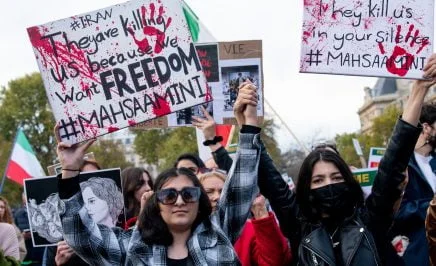
Peacefully expressing themselves
Freedom of expression is the right to seek, receive and give information and ideas. It is tied to the right to freedom of thought, conscience and religion. It extends to freedom of association, such as forming a union and of peaceful assembly – like participating in a non-violent protest. It is the responsibility of governments to ensure freedom of expression without discrimination, including protecting individuals against abuses by corporations.
Who they are or what they believe in
Prisoners of conscience are people who have been detained solely because of their political, religious or other conscientiously-held beliefs, ethnic or national origin, gender or sexual orientation, colour, language or economic status. Prisoners of conscience are often detained by their governments under the guise of ‘national security’ or for breaking a loosely interpreted law – even though they have not used or advocated violence or hatred. This includes citizens supporting an opposition government, people protesting against those in power and people from minority religious groups.
Being a human rights defender
Human rights defenders are people who peacefully act to defend and promote human rights. Their work can be paid, unpaid or volunteered. They include people from every walk of life, including members of human rights organisations like Amnesty International. Irrespective of age, nationality, occupation, anyone can be considered a human rights defender – whether someone has spent their whole life protecting human rights, or in some cases just once.
Amnesty also investigates the abuses and ill-treatment that those in power often inflict upon individuals in detention, including:
Torture and ill-treatment
Torture and ill-treatment includes any act that intends to inflict severe pain or suffering, either physical or mental, on an individual. The purpose is often to gain information, obtain a confession, punish, intimidate or terrorise. It is often part of a government’s strategy for suppressing dissent.
Unfair trials
Unfair trials affect people who have been detained and subjected to a trial that does not meet international fair-trial standards. A fair trial includes being informed of charges made against them, a presumption of innocence until proven guilty, access to legal representation of their choosing, being present at their own trial, and being tried before an independent and impartial court.
Enforced disappearances
An enforced disappearance is when a person has been taken into custody by people acting for the government, yet the authorities deny having them. This places the person outside the protection of the law, where no information about their whereabouts can be obtained. There is no means of contacting them, and their fate can’t be accessed. People in these situations are often subject to detention, torture and even death.
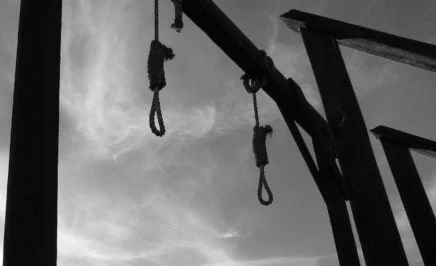
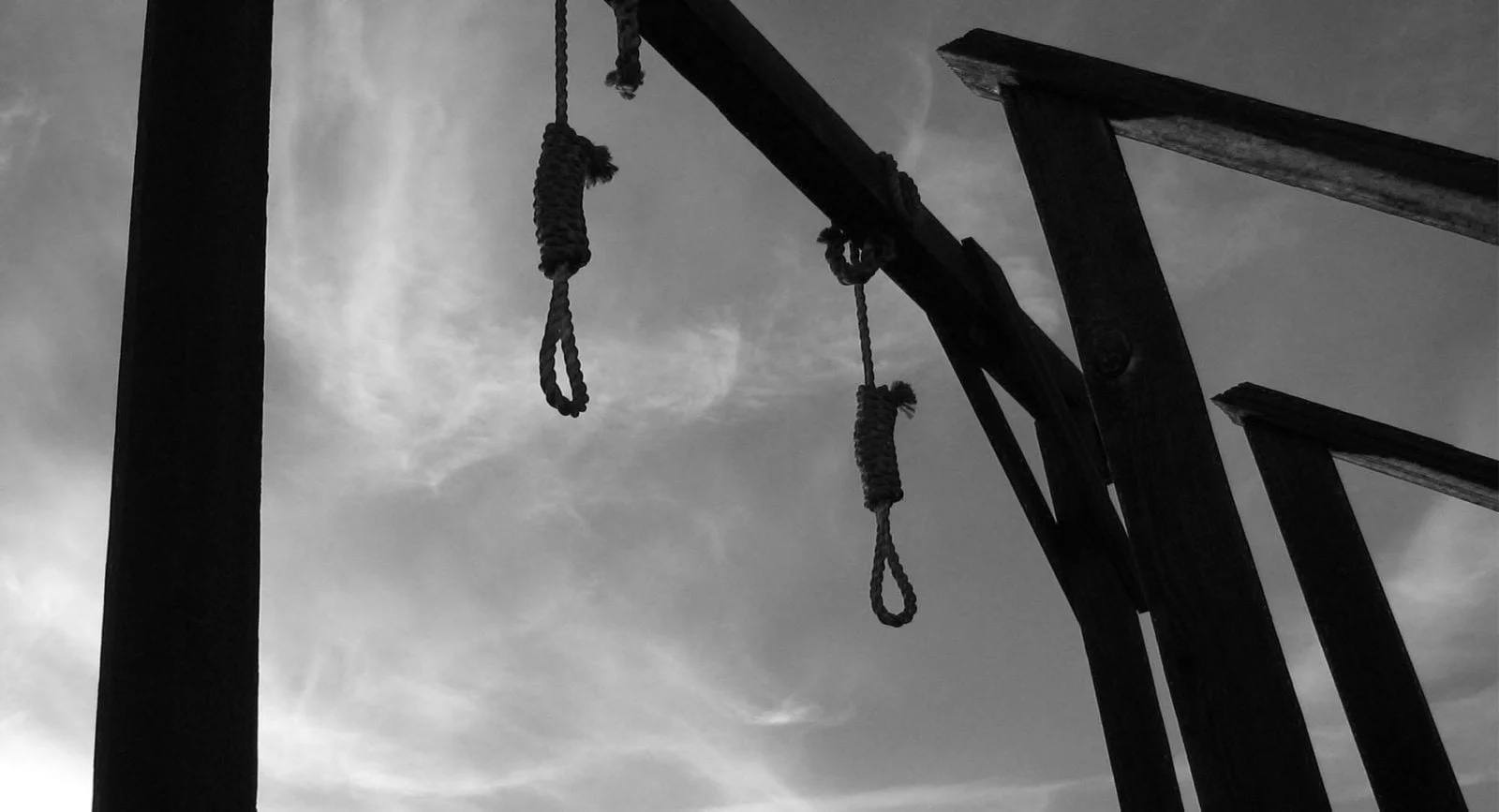
Sentenced to death
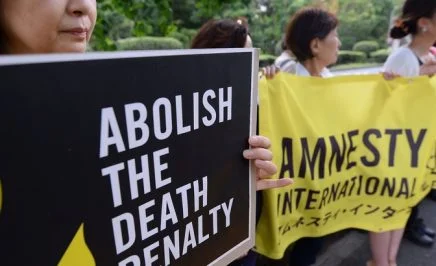
The death penalty is a court imposing the punishment of death on someone convicted of a crime. Amnesty International opposes the death penalty in all cases without exception. It is the ultimate cruel, inhuman and degrading punishment. Read more about our work with the death penalty.
Close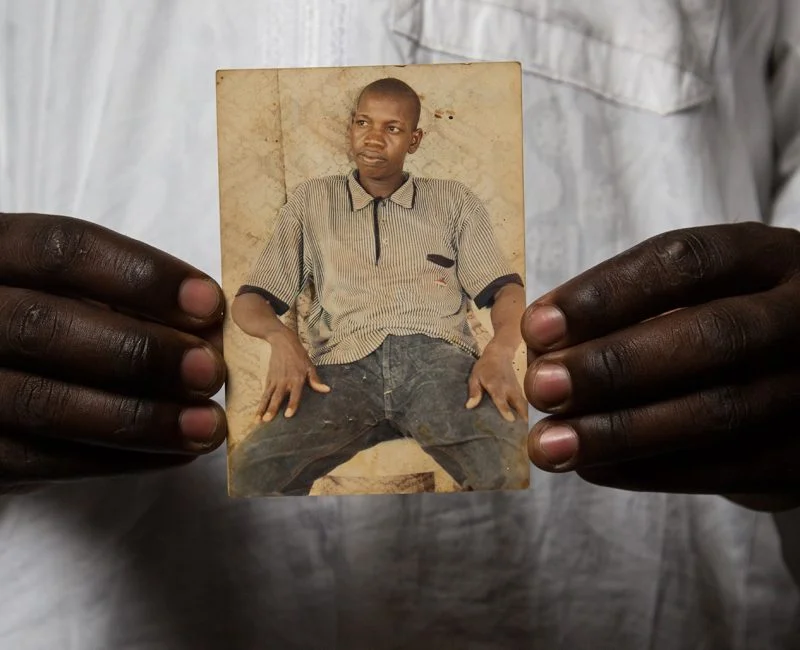
Amnesty International keeps governments accountable for their actions, and reminds them of the international laws and instruments by which they are bound – like the Universal Declaration of Human Rights – to keep people safe and free in their countries. To make this happen we need you to take action.
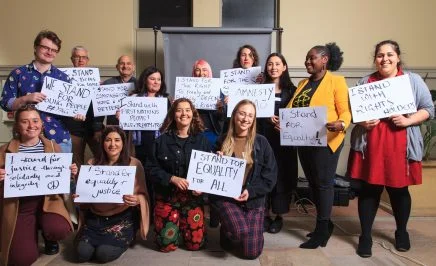
Read moreBy taking action for these individuals, you become part of a global voice of over seven million people standing up for human rights for everyone, you can make a real difference in the lives of individuals at risk. Watch the video below of people you helped in 2016.
Close