Australia’s youth detention system is costing billions of dollars each year while consistently failing to meet international human rights standards.
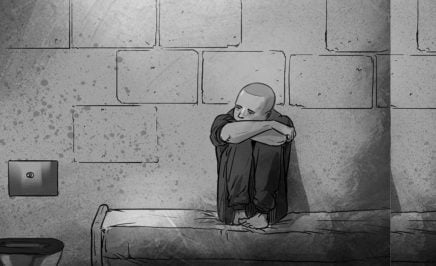
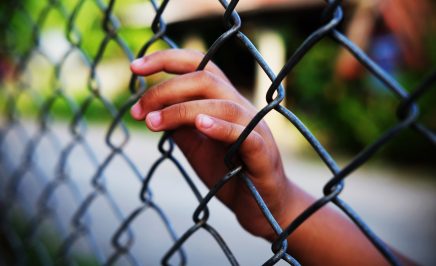
Children as young as 10 are being detained in youth detention centres and police watch houses under conditions condemned by human rights experts, royal commissions and international bodies. Despite decades of evidence showing that “tough on crime” youth justice policies do not reduce reoffending or improve community safety, governments continue to expand detention, lower safeguards and increase spending.
Australia is spending more than ever to lock up children, and the system is still failing.
Governments now pour over $1.1 billion each year into youth detention, with costs rising sharply year on year. In some jurisdictions, it costs well over $1 million per child per year to detain a young person. Despite this extraordinary expense, reoffending rates remain high, conditions inside detention are routinely condemned and communities are no safer as a result.
This is not a failure of evidence. It is a failure of political will.
A system repeatedly found to breach human rights
Australia does not lack information about what is happening inside youth detention centres and police watch houses. Numerous reports, inspections, royal commissions and independent reviews at state, territory and national levels have examined the youth justice system. Their conclusions are remarkably consistent.
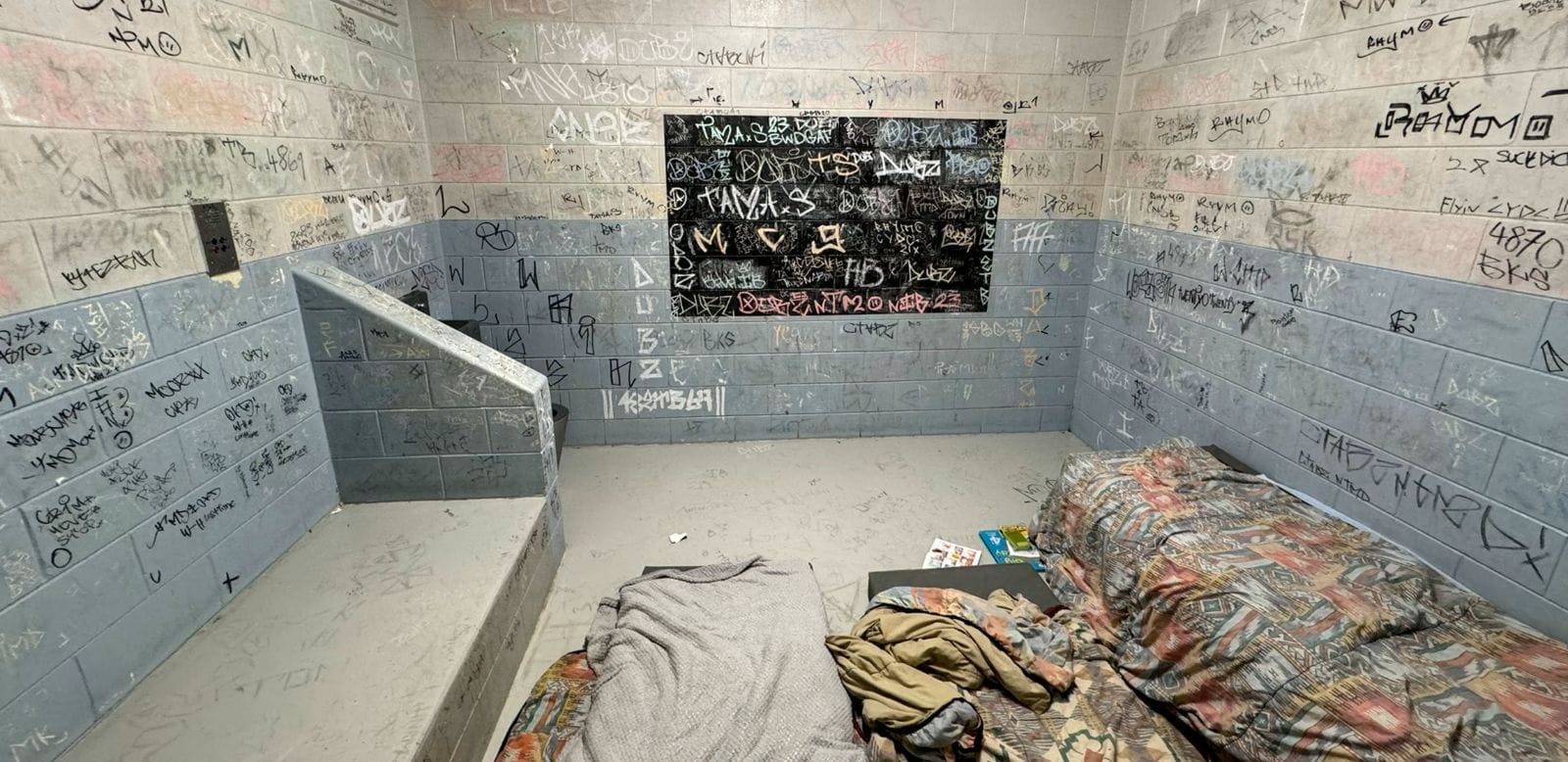
Children are being held in environments that fail to meet international human rights standards, including:
- Prolonged isolation and solitary confinement
- Detention in police watch houses and adult facilities not designed for children
- Use of spithoods
- Use of force, restraints and degrading practices
- Denial of education, healthcare and culturally appropriate support
- unsafe and overcrowded conditions
These findings are not confined to one state or one facility. They appear again and again across jurisdictions in youth detention centres and in police watch houses increasingly used as overflow detention spaces for children. Under the Convention on the Rights of the Child, which Australia ratified more than 30 years ago, detention of children must be used only as a measure of last resort and for the shortest appropriate period of time. Children deprived of liberty must be treated with dignity, protected from harm and supported in their rehabilitation.
Australia is repeatedly falling short.
Australia is bound by multiple international human rights treaties that govern the treatment of children in conflict with the law, including the Convention on the Rights of the Child, the International Covenant on Civil and Political Rights and the Convention against Torture. These treaties require that detention be used only as a last resort, prohibit cruel, inhuman or degrading treatment and mandate special protection for children. Repeated findings that children are being detained in harmful conditions, including in police watch houses and adult facilities, demonstrate a systemic failure to uphold these obligations.
Discrimination at the heart of the system
The harms of this system are not evenly shared.
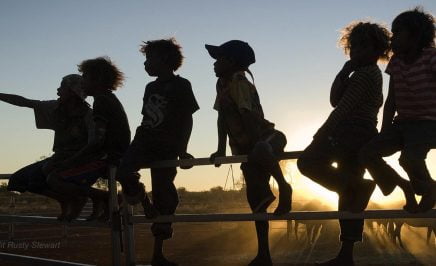
First Nations children are dramatically over-represented in youth detention across the country, making up the majority of children behind bars on any given day and up to 95 per cent in some jurisdictions. This reflects entrenched structural discrimination, from policing and bail laws to sentencing practices and the criminalisation of poverty, disability and trauma.
International human rights bodies have raised serious concerns that Australia’s youth justice system amounts to ongoing racial discrimination, particularly against Aboriginal and Torres Strait Islander children. Yet governments continue to double down on policies that deepen these inequities rather than dismantle them.
“Tough on crime” policies do not make communities safer
Despite the overwhelming evidence, governments continue to reach for the same failed responses: lowering the age of criminal responsibility, removing detention as a last resort, expanding police powers and sentencing children as adults.
These policies are often sold as being tough on crime. In reality, they are tough on children and ineffective for everyone else.
Decades of evidence show that incarcerating children increases the likelihood of future offending, entrenches trauma and disconnects young people from family, culture, education and support. When detention becomes easier to use and safeguards are stripped away, more children are locked up for longer at greater cost with worse outcomes.
This is why spending continues to rise while safety does not.
If incarceration made communities safer, the billions already spent would have delivered results. Instead, governments are paying more and more for a system that actively undermines rehabilitation and long-term community safety.
It’s a cost that will keep rising unless we change course
As long as detention is used as a default rather than a last resort, costs will continue to escalate. New facilities will be built, staffing costs will grow and children will cycle in and out of custody, often graduating into the adult prison system.
This is not inevitable. It is the result of deliberate policy choices.
We know what works: early intervention, diversion, community-led and culturally safe programs, trauma-informed care, education and disability supports and justice reinvestment approaches that address the drivers of harm rather than punishing its symptoms.
Every dollar spent on locking up children in harmful conditions is a dollar diverted away from solutions that actually keep communities safe.
A human rights crisis and a policy failure
Australia’s youth justice system is not just expensive and ineffective. It is increasingly at odds with our international human rights obligations, our commitments to equality and non-discrimination and our responsibility to protect children.
Continuing to ignore the findings of countless reports, inquiries and experts while expanding punitive laws that worsen outcomes is indefensible.
If governments are serious about safety, accountability and fiscal responsibility, they must abandon failed tough on crime rhetoric and commit to evidence-based, rights-respecting reform.
Children deserve better. Communities deserve better. And we cannot afford to keep paying the price for a system that everyone knows is broken.
If you have already taken action and added your name to our petition, thank you. Your support is powerful.
We are also hosting an Indigenous Solidarity Forum, where together we’ll build a shared understanding of what’s happening in youth detention, why it constitutes a national crisis and what collective action is needed to put an end to these practices.
🗓️ Wednesday February 18, 2026
⏱️ 7:00pm – 8:30pm AEDT
🌏 Online (Zoom)
Amnesty International is a global movement of more than 10 million people who take injustice personally. We are campaigning for a world where human rights are enjoyed by all – and we can only do it with your support.
Act now or learn more about our human rights work.