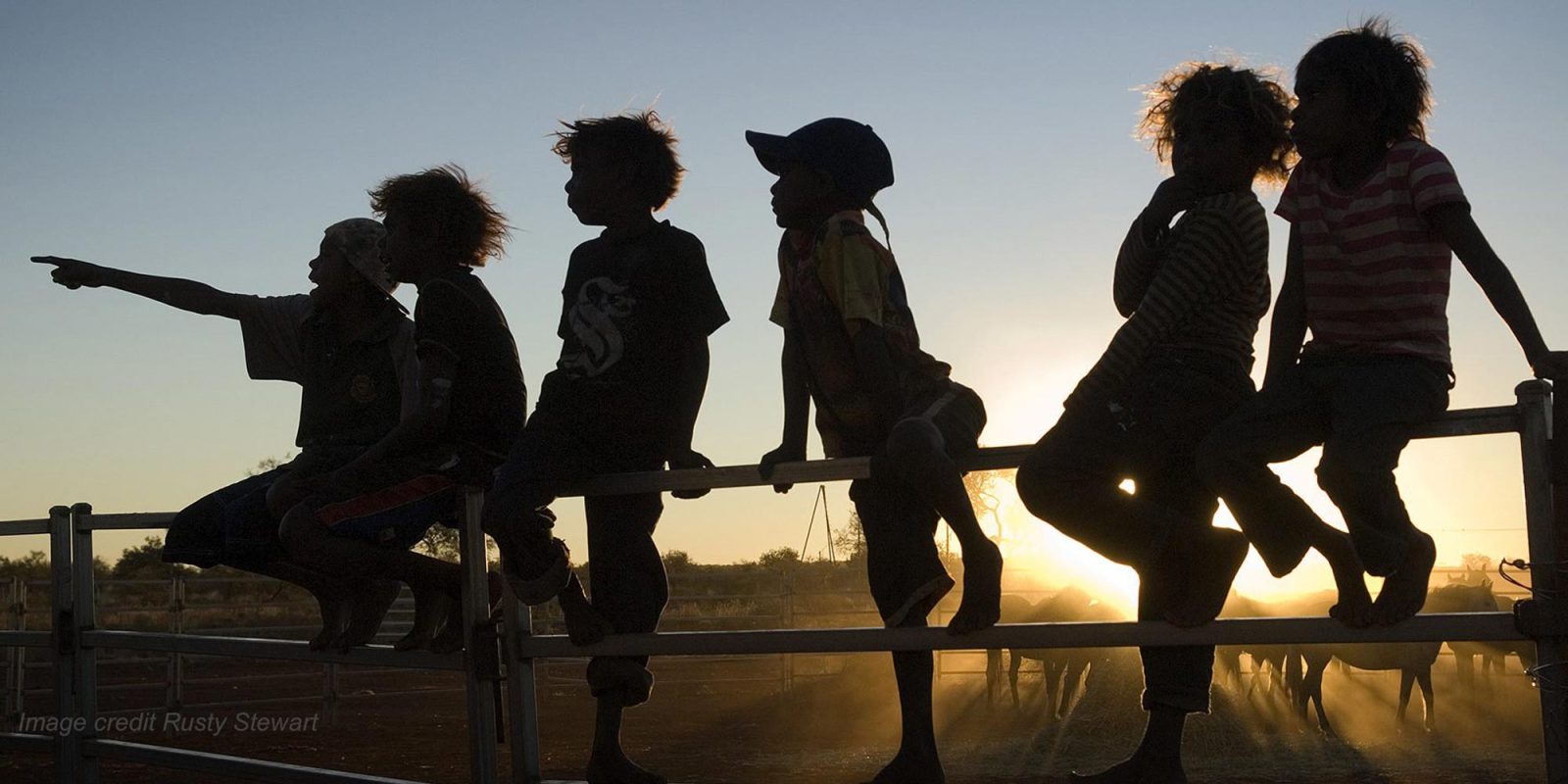
When we think of Australia, a few things might come to mind. A certain down-to-earth sense of humour, vast and spectacular landscapes, unique wildlife and beautiful beaches.
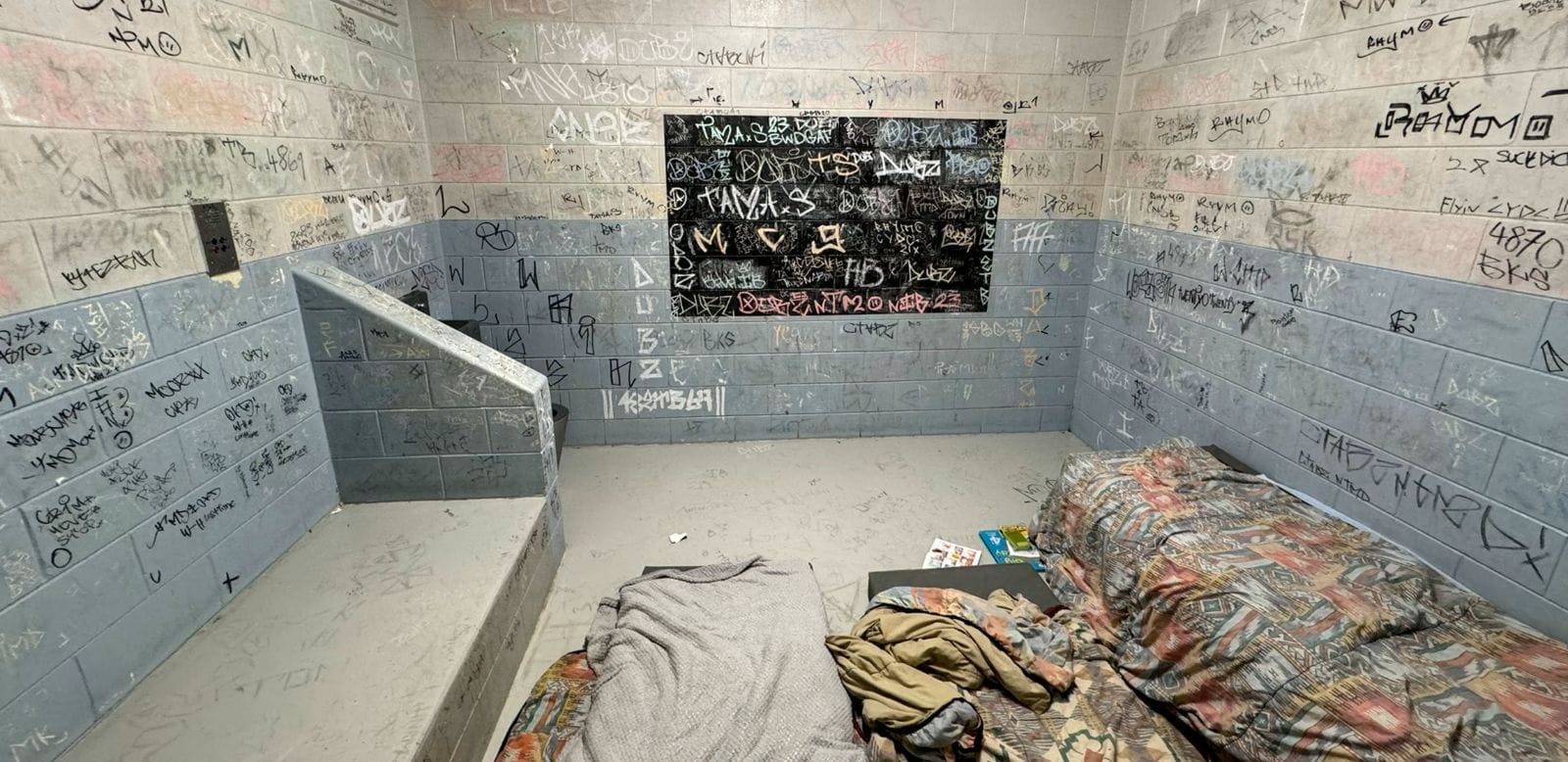
What doesn’t necessarily spring to mind is children as young as ten being forced into severe restraints, spit hoods, solitary confinement and adult watch houses.
Numerous documentaries, coroner’s inquests and investigations over recent years have exposed children enduring grave and dehumanising abuses of all kinds within Australia’s ‘justice’ system – all while their bodies and minds are still developing.
It’s a dark and deeply shameful truth that flies in the face of Australia’s reputation and self-image – and one that many Australians themselves are not even aware of.
Did you know…
‣ Under international law, torture and other forms of ill-treatment are always illegal.
165 countries (including Australia) are parties to the UN Convention against Torture which Amnesty International campaigned hard to create.
‣ Despite being a signatory to the Convention on the Rights of the Child since 1990, Australia’s minimum age of criminal responsibility in most states and territories is currently 10.
The UN Committee on the Rights of the Child encourages state parties to ‘take note of recent scientific findings and increase their minimum age to at least 14 years,’ commending those that have set higher minimum ages (e.g. Scandinavian countries and Portugal).
Raising the age of criminal responsibility is critical. The evidence is clear that, developmentally and neurologically, 14 years old is the minimum age that children could or should be held criminally responsible.¹
‣ Overall, state and territory governments in Australia imprison First Nations children at almost 27 times the rate of non-Indigenous children².
It is these children who are born into a societal fabric that is inherently biased against them that are most at risk of being further harmed and traumatised by the use of torturous practices. And harm perpetuates harm.
In 2022, ABC’s Four Corners documentary ‘Locking Up Kids’ outlined children’s alleged exposure to abuse, torture, solitary confinement and other degrading treatment such as “folding,” which involves bending a person’s legs behind them before an adult sits on them (as seen in the documentary footage).
Imprisoning young offenders is associated with future offending behaviours and continued contact with the justice system. Without proper rehabilitation and support post-release, Aboriginal and Torres Strait Islander young peoples often return to the same conditions that created the patterns of offending in the first place.³
It is also the most reliable way to infuse communities and future generations with the harmful trauma dehumanisation causes.
It’s time Australia honours its commitment to international conventions against torture and for the rights of the child; to stop perpetuating harm and focus on enabling healing.
Amnesty International is a global movement of more than 10 million people who take injustice personally. We are campaigning for a world where human rights are enjoyed by all – and we can only do it with your support.
Act now or learn more about our human rights work.