During a time described as truly catastrophic for human rights, research and advocacy are more important than ever. Globally, we’re seeing hard-fought rights wound back, rising authoritarianism, and blatant disregard for international law. War crimes and genocide continue while world leaders’ appetite to oppose these atrocities diminishes.
But in the face of so much horror, there’s hope – because there are people like you who refuse to look away.
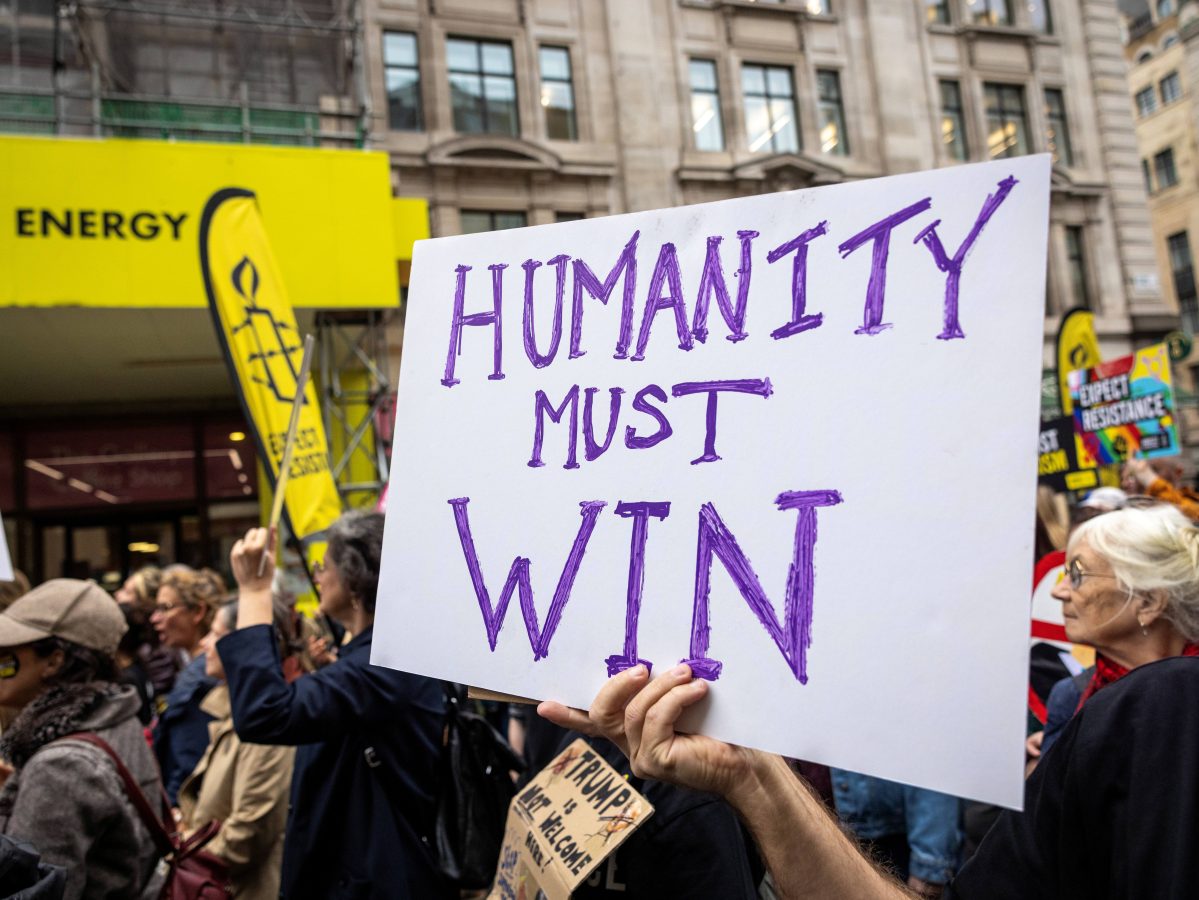
Together, we are a global movement of more than 10 million people across 150 countries and territories who come together to challenge injustice. Thanks to your sustained pressure, we are showing the world that despite stories of fear, division and hatred dominating the headlines, hope prevails, and humanity must win.
Here’s a snapshot of your impact, both at home and abroad:
• Indigenous Justice
• Refugee Rights
• Human Rights Act
• Around the world
• Individuals at risk
INDIGENOUS JUSTICE: Victoria signed a Treaty with First Nations Peoples
Last month, Australia witnessed a historic milestone: the first Treaty between Victorian First Nations peoples and the state government.
At Amnesty, we are proud to stand with First Nations peoples in their call for justice, Treaty and self-determination – rights recognised under the UN Declaration on the Rights of Indigenous Peoples, which affirms that Indigenous peoples have the right to determine their political status and shape their economic, social and cultural futures.
This achievement is the result of decades of leadership, courage and advocacy from Aboriginal communities who have long shown what a just and self-determined future can look like. When communities have control over decisions and resources, the outcomes are clear: stronger, safer, more connected communities.
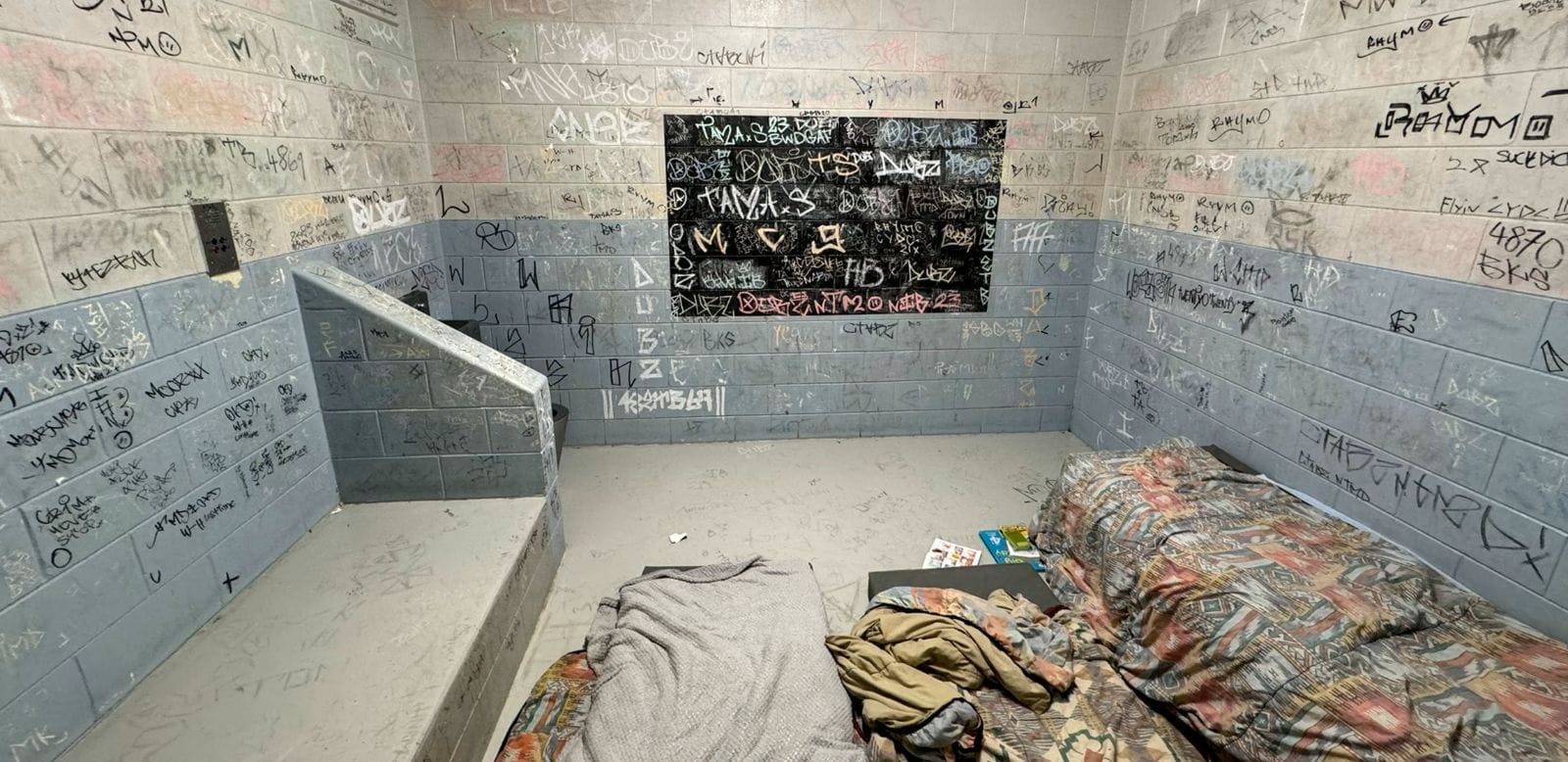
In our youth justice work, the evidence is clear – when First Nations communities lead the solutions, fewer children end up in the justice system. That is self-determination in action: a future where every child grows up strong in culture and community, not in custody.
READ MOREREFUGEE RIGHTS: CRISP program is here to stay
Earlier this year, the Australian Government announced that the CRISP program (Refugee Integration and Settlement Pilot) would be made permanent.
This program connects refugees to trained volunteer community groups, who help them navigate life in their new country – from meeting at the airport and providing temporary accommodation, food, household goods and short-term financial support, to assistance with securing long-term housing, registering for services, enrolling in school and adult education classes, and applying for jobs.
READ MORE“The success of the CRISP shows the solidarity and big heart of the Australian community in welcoming and supporting refugees. We have long advocated for such a program.”
Zaki Haidari, Amnesty International Australia’s Strategic Campaigner on Refugees
HUMAN RIGHTS ACT: Closer than ever to protecting human rights in our laws
Thanks to the sustained pressure of Amnesty supporters, we have been building momentum in our push for Human Rights Acts, and this year has seen growing support for better human rights protections around the country.
At a federal level, the new Attorney-General, Michelle Rowland, publicly confirmed the government is “carefully considering” the recommendations of a Parliamentary inquiry that recommended legislating a Human Rights Act. Alongside Human Rights Law Centre, we’ve met with MPs across the political spectrum to share your petitions and actions — showing them why Australians want a Human Rights Act, and our engagement with Labor MPs following the May federal election shows growing support for a Human Rights Act.
State Parliaments are now also taking vital steps towards protecting human rights:
- The ACT passed a Bill to include the right to housing in its Human Rights Act, which will require the government to consider access to adequate housing in all its decisions and policymaking.
- NSW has seen the Greens introduce a Human Rights Act Bill, and importantly, the NSW Attorney-General has expressed openness to working constructively toward making this a reality. Amnesty’s NSW Activism Leadership Committee has continued to lead this work in partnership with over 100 organisations.
- In Victoria, the Greens have introduced a Bill to enshrine the right to housing in the state’s Charter of Human Rights, and
- In South Australia, a Parliamentary inquiry recommended that the government legislate a Human Rights Act.
AROUND THE WORLD:
Gaza
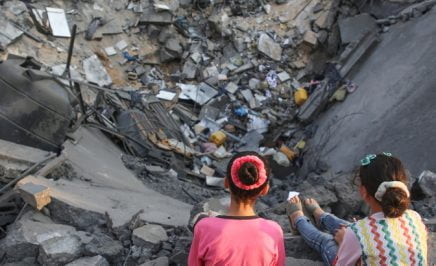
After over two years of Israel’s relentless genocide in Gaza, we have seen the global tide begin to shift -including here in Australia. Through persistent advocacy, movement-building, community partnerships, and principled pressure, your actions have helped move decision-makers toward stronger action on human rights, transparency, and accountability.
- In October, Israel and Hamas agreed to the first phase of a ceasefire, signalling a glimpse of commitment to peace. That moment of relief proved that sustained global pressure works. Despite the deal, Israel has continued its genocide against Palestinians, and we remain a long way from achieving justice for the Palestinian people. The international community cannot afford complacency, and States must continue to pressure Israel to put an immediate end to the genocide.
- In November, the Government reportedly directed Australian defence manufacturers to halt bilateral exports to Israel; a welcome incremental recognition of the need to address Australia’s potential complicity in Israel’s genocidal policies.
- Within weeks of getting re-elected, the Labor Government signed joint statements at the UN to provide urgent humanitarian access to Gaza and subsequently announced additional humanitarian aid.
- Australia co-signed several joint international statements calling for accountability, protection of civilians, and respect for international law.
- Hundreds of thousands Marched for Humanity and joined actions for Palestinian justice with record crowds filling Sydney Harbour Bridge, demanding action from our leaders and the world. Despite the NSW Police’s shutdown attempt, the Supreme Court ruled in favour of the protest, with Amnesty International’s endorsement cited in the judgment.
- In a global call to action, Amnesty International and Save the Children joined forces on the ‘Let Children Live’ campaign. More than 21,000 supporters registered to receive the name and age of a living Palestinian child, to carry those names proudly on social media, in the streets and at rallies across the world. It was a powerful show of solidarity that brought together artists, creators, community leaders and supporters everywhere to mourn those killed and send a message that the world can no longer ignore.
- During Parliament’s July sitting week, Amnesty led a nationwide campaign demanding that the Government take real action for Palestinians, not just words. Ads appeared across Canberra airport and highways, putting the issue front and centre. The impact was clear: Foreign Affairs Minister Wong acknowledged Australia’s role in the F-35 supply chain, prompting greater scrutiny and transparency around arms supplied to Israel. Meanwhile, the Prime Minister publicly condemned Israel’s violations of international law.
- Within the same week, a 24-hour vigil where Members of Parliament, doctors, journalists, academics, actors, writers, and community members honoured the over 17,000 Palestinian children killed in Israel’s genocide in Gaza. Hosted by Action Aid Australia, Amnesty International Australia, Caritas, ChildFund Australia, MAA International, Médecins Sans Frontières / Doctors Without Borders (MSF), Oxfam Australia, Plan International Australia, Save the Children Australia, the vigil called for the Australian Government to take concrete action to pressure Israel to end its genocide, and demand accountability after months of injustice faced by Palestinians in Gaza.
Afghanistan
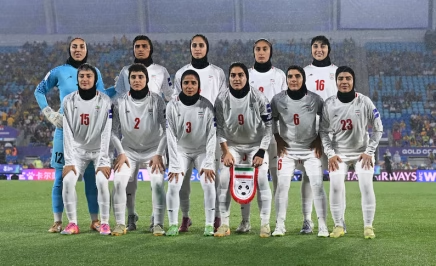
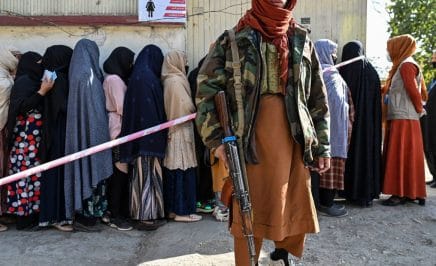
In a welcome step for international justice, the International Criminal Court issued arrest warrants in July against the Supreme Leader and the Chief Justice of the Taliban regime, seeking accountability for crimes against humanity, including gender apartheid, and systematic gender persecution of women, girls and LGBTQIA+ communities.
After years of advocacy, the UN Human Rights Council established an independent investigative mechanism for Afghanistan to collect, consolidate, preserve and analyse evidence of past and ongoing crimes under international law and human rights violations and abuses.
With your support, Amnesty International, together with Afghan civil society and others, has been calling for this mechanism since the Taliban’s return to power in August 2021. Since then, the Taliban has plunged Afghanistan into a system of control and repression. Women and girls have been systematically erased from public life, denied education, work and voice; journalists, activists and minorities silenced through arbitrary detention, torture and enforced disappearance; and brutal corporal public punishments and executions used as tools of fear.
READ MOREPhilippines
Former Philippine President Rodrigo Duterte was arrested by police based on an arrest warrant issued by the International Criminal Court (ICC) for crimes against humanity. Thousands of people, mostly from poor and marginalised communities, were unlawfully killed by the police – or by armed individuals suspected to have links to the police – during Duterte’s so-called “war on drugs”.
Alongside our supporters, Amnesty has been calling for his arrest for many years and described it as “a long-awaited and monumental step for justice”. He is now due to stand trial at the ICC.
READ MOREINDIVIDUALS AT RISK:
Palestinian aid worker Mohammed al-Halabi released
Palestinian aid worker and prisoner of conscience Mohammed al-Halabi was released as part of a prisoner-hostage exchange deal between Israel and Hamas earlier this year, ending his agonising ordeal and a flagrant injustice.
Al-Halabi, the former Gaza director of World Vision, was arrested by the Israeli security agency at the Erez crossing between Israel and occupied Gaza in June 2016. He was interrogated without a lawyer, tortured, tried in secret hearings and convicted after a grossly unfair trial based on undisclosed evidence that he had allegedly diverted funds to Hamas. In August 2022, he was sentenced to 12 years in prison by the Beersheba District Court.
Throughout the proceedings against him, the Israeli prosecution failed to substantiate allegations that al-Halabi was guilty of diverting funds to Hamas, and the charges against him relied on “secret” evidence and a coerced statement by a prisoner informant.
READ MORE“Al-Halabi, a dedicated humanitarian aid worker, should never have been behind bars. His case is a reminder of the urgent need for fair trials and due process for Palestinians subjected to Israel’s apartheid system.”
Mohamed Duar, Amnesty International Australia’s Occupied Palestinian Territory Spokesperson
Mahmoud Khalil freed after months of unjust detention
Unlawfully detained by the U.S. Department of Homeland Security while walking home with his pregnant wife, Mahmoud was targeted for supporting Palestinian rights in peaceful student protests at Columbia University.
His detention was not only unnecessary but emblematic of a broader effort by the Trump administration to suppress solidarity with Palestinian people and weaponise the immigration system.
Following a global outcry from thousands of Amnesty supporters, he was finally released – free to return home, embrace his wife, and hold his newborn child – though he remains at grave risk of deportation. Mahmoud recently shared a message expressing his gratitude and urging us to continue demanding justice and accountability.
READ MORERocky Myers’ death sentence commuted
Rocky Myers, a Black man in the US state of Alabama with an intellectual disability, was on death row since 1994 despite flawed legal proceedings and no evidence directly linking him to the crime for which he was convicted.
Amnesty International has long advocated for Rocky Myers, and he was part of our Write for Rights campaign in 2023, in which hundreds of thousands of people from around the world, including Australia, signed a petition asking Alabama Governor Kay Ivey to commute his death sentence. In May, his death sentence was commuted.
READ MOREUyghur man Idris Hasan released
Idris Hasan, an ethnic Uyghur man living in Turkey with his family since 2012, was detained in Morocco for three-and-a-half years, at risk of extradition to China. Thanks to a groundswell of support, he was freed in February.
The Chinese government reportedly called Hasan a “terrorist” because of the work he has previously done for Uyghur organisations. Chinese law defines “terrorism” and “extremism” in an overly broad and vague manner, and has been used to crack down on Uyghurs and other ethnic minorities.
Amnesty International had been campaigning for his freedom since he was initially detained in July 2021. Zaynura Hasan, Idris’ wife, shared their thanks for the relentless support: “Thank you all very much. Without your help, we could not have saved my husband.”
READ MORE“Thank you all very much. Without your help, we could not have saved my husband.”
Zaynura Hasan, Idris’ wife
Former Chair of Amnesty International’s Türkiye Taner Kılıç acquitted
Taner Kılıç, a refugee rights lawyer and former Chair of Amnesty International’s Türkiye section, was arrested in June 2017 and detained in prison for more than 14 months.
Despite a complete absence of any credible evidence, in July 2020, he was convicted of “membership of a terrorist organisation” and sentenced to more than six years in prison. He was finally acquitted in February.
The end of his almost eight-year ordeal comes amid a new wave of detentions in which rights defenders, journalists, political activists and others have been targeted. As a founding member of Amnesty International Türkiye, over the last 20 years, he has played a crucial role in defending human rights as part of the organisation and the wider human rights community in Türkiye.
READ MORESaudi women’s rights activist Salma al-Shehab released
Salma al-Shehab, a Leeds University PhD student and mother of two, was arrested in Saudi Arabia for tweeting in support of women’s rights and retweeting Saudi women’s rights activists. For more than four years, Salma was subjected to one gross injustice after another, including being given a 34-year prison sentence and spending almost 300 days in solitary confinement.
Thanks to passionate Amnesty supporters who signed petitions, wrote letters, made phone calls and demanded her release, in February, Salma was released from prison.
READ MOREAmnesty International is a global movement of more than 10 million people who take injustice personally. We are campaigning for a world where human rights are enjoyed by all – and we can only do it with your support.
Act now or learn more about our human rights work.