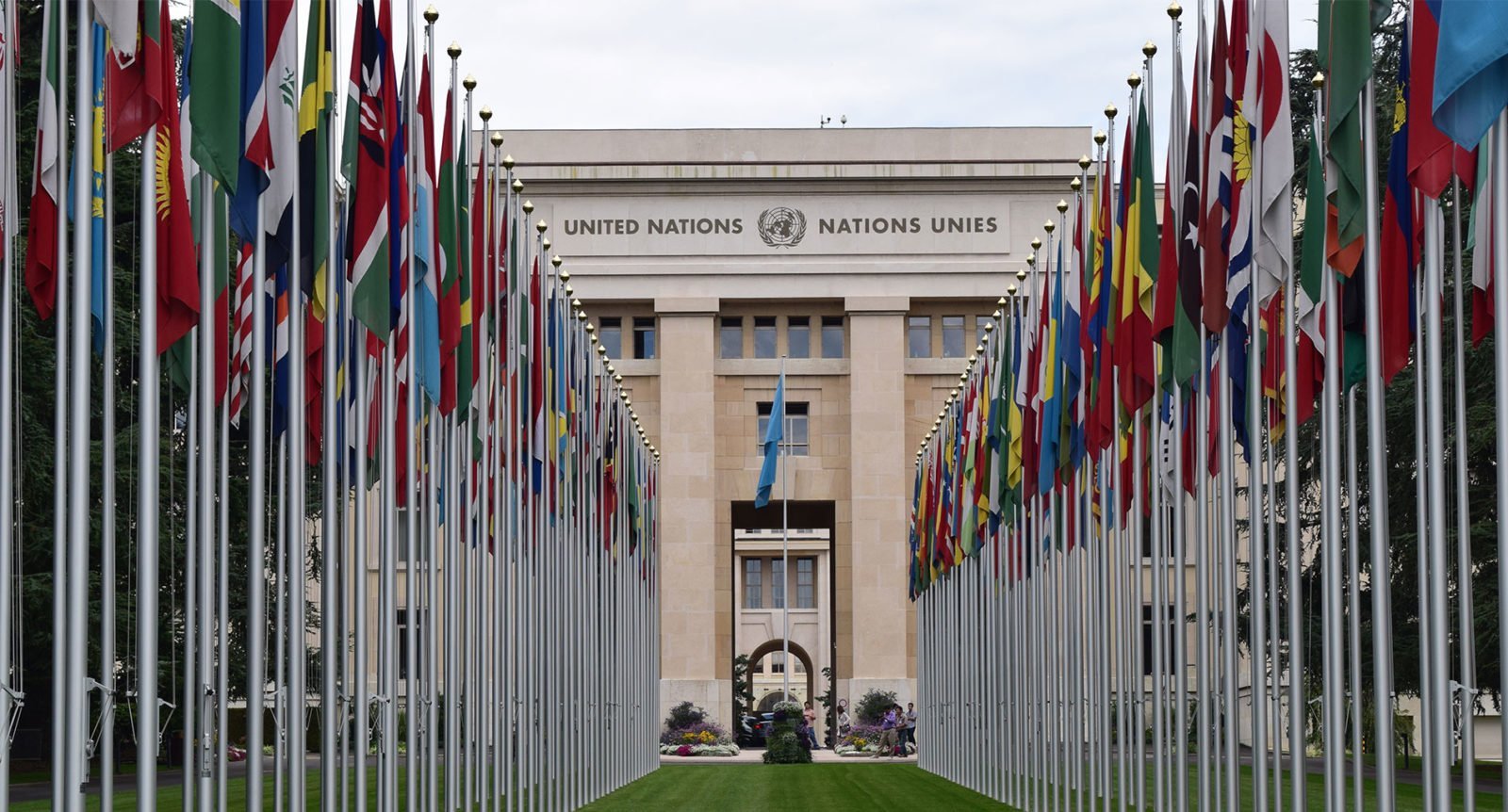
Amnesty International Australia has made a submission to the United Nations as part of Australia’s Universal Periodic Review (UPR), an important opportunity to hold the Australian Government accountable for its human rights record.
Every four and a half years, the UN Human Rights Council reviews the human rights practices of all UN member states. Since the last review, there have been some welcome developments. But many human rights concerns persist. Amnesty’s submission for Australia’s review in January 2026 focuses on four key areas of concern.
1. A Federal Human Rights Act
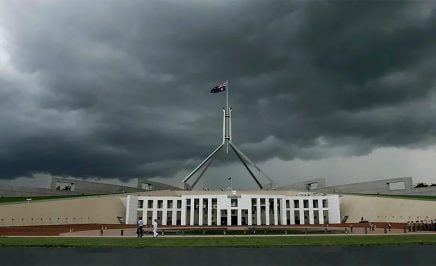
Australia lacks a comprehensive Human Rights Act. Human rights protections are scattered across the Constitution, certain laws, and common law principles, leaving many rights such as access to health, housing, and education unprotected.
Although Australia has ratified seven core international human rights treaties, these commitments have not been fully implemented in domestic law. Without a Human Rights Act, people often have no legal remedy when their rights are violated.
2. Youth Justice and First Nations Children
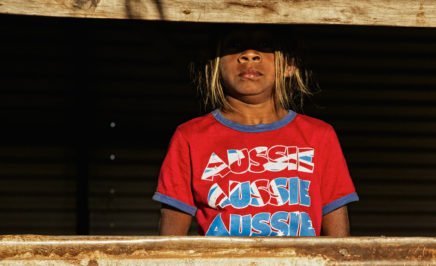
Australia continues to imprison children as young as 10, despite repeated calls including from the UN to raise the minimum age of criminal responsibility to at least 14.
Harsh bail and sentencing laws have led to the disproportionate imprisonment of Aboriginal and Torres Strait Islander children. Key indicators in the 2024 Closing the Gap report, such as out-of-home care and incarceration rates, are worsening.
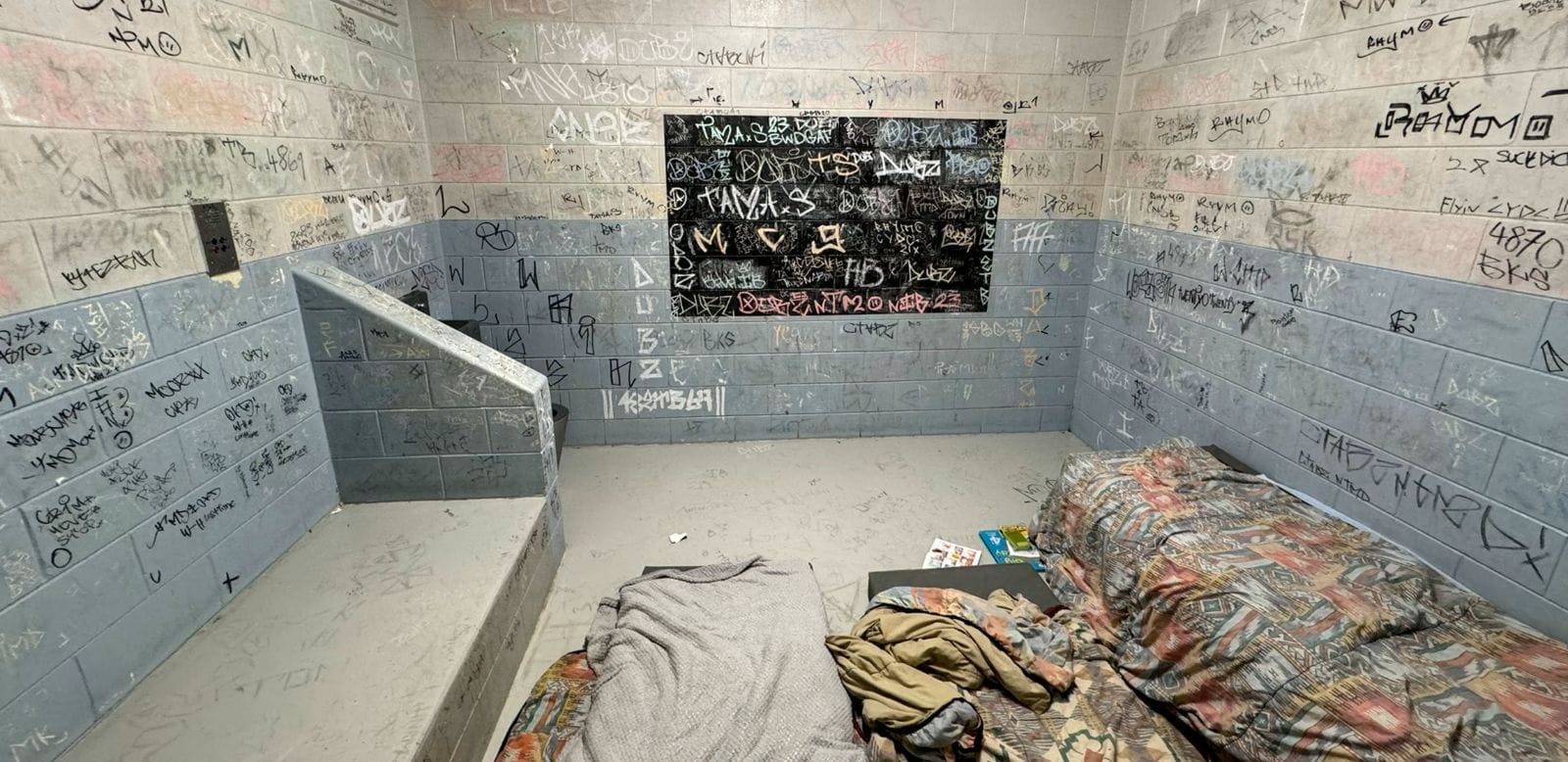
There is a continued and deeply concerning use of adult police watch houses to detain children, especially in Queensland.
As of June 2025, 582 First Nations people have died in custody since the 1991 Royal Commission into Aboriginal Deaths in Custody with no one held accountable.
3. Refugee Rights
Australia continues to breach international law by maintaining its offshore processing system, detaining people seeking asylum on Nauru and subjecting many others to indefinite detention onshore.
Although offshore processing in Papua New Guinea ended in 2021, more than 30 men remain there after 11 years. They are barred from coming to Australia and are suffering severe mental and physical harm, without access to basic rights.
Meanwhile, around 7,000 people affected by the flawed “Fast Track” system remain in limbo – many have lived on six-month bridging visas for over a decade, without access to education, family reunion or permanent protection. Some have died by suicide due to this indefinite uncertainty.
4. Climate Justice
Climate change poses an escalating threat to human rights especially for children, First Nations peoples, and Pacific Island nations. The Australian Government has been repeatedly warned about the human rights implications of climate inaction.
Despite this, Australia continues to approve new fossil fuel projects, including extending the life of the country’s largest project to 2070.
Amnesty’s Recommendations:
In our submission, our key calls to the Australian Government include:
- Introducing a national Human Rights Act to protect human rights into domestic law.
- Raising the minimum age of criminal responsibility to at least 14.
- Ending the use of practices that amount to torture or cruel, inhuman or degrading treatment in youth justice settings.
- Funding Indigenous-led and community-based diversion programs to keep Indigenous kids in community, and away from prisons.
- Ending offshore detention for refugees and people seeking asylum and allow those transferred to Nauru and PNG to resettle in Australia and enabling timely medical evacuation from offshore facilities.
- Ending temporary protection and provide pathways to permanency for people on the Fast Track system
- Halting all new coal and gas projects and commiting to phasing out fossil fuels.
- Accelerating the transition to renewable energy through human rights-compliant policies that respect Aboriginal and Torres Strait Islander Peoples’ rights and self-determination.
- Contributing Australia’s fair share of climate finance, including support for loss and damage.
What’s Next?
Australia will appear before the UN Human Rights Council in January 2026 to respond to recommendations and scrutiny from other nations. Amnesty International will continue to advocate for meaningful human rights reform and hold the government accountable.
Amnesty International is a global movement of more than 10 million people who take injustice personally. We are campaigning for a world where human rights are enjoyed by all – and we can only do it with your support.
Act now or learn more about our human rights campaigns.