By Cassie Ponton
At Amnesty, our mission is to challenge injustice and defend everyone’s fundamental human rights both in Australia and around the world.
Our work requires a practical and strategic approach to shift systemic barriers and achieve meaningful change. But we cannot hope to achieve this change without first addressing the catastrophic injustices endured at home by First Nations Peoples – the Traditional Custodians and carers for the land, waters, and skies in this place we now call Australia.
Having a vision for reconciliation is great – but realising this vision through living its values and truths is what gives it meaning.
Having a vision for reconciliation is great – but realising this vision through living its values and truths is what gives it meaning. It is not just an intention, but a genuine willingness and commitment to bring reconciliation to life.
We are privileged to work alongside the world’s oldest continuing culture, but that relationship is most powerful when we recognise and address the truth of this country’s foundation, and its ongoing impacts on First Nations Peoples today.
This means:
- Acknowledging harm and trauma
- Accepting that relations are in desperate need of repair
- Moving forward respectfully and in unison towards shaping a better future together
It means truth-telling.
That’s why our Innovate Reconciliation Action Plan (RAP) led by Reconciliation Australia is so crucial. The RAP provides the framework and guidance to undertake this work and comes with uncompromising accountability.
Committing to a RAP has allowed us to confront the uncomfortable truths; we have blind spots, we have made assumptions, and at times, we’ve fallen short of progress. If we, as the leading global human rights organisation cannot set an example, then who will? Who can?
We can’t just support the change – we must embody it
Progress means intentionally recalibrating everyday processes and details: from the way we tell stories, to who we work with, and the voices we amplify. This work must move beyond the occasional day of significance to become ingrained practice, meaningful reflection, and ultimate structural reform.
Colonialism continues today in almost every aspect of our work, from Euro-centric power structures, the elevation of Western knowledge over the local and traditional practices, to wellbeing service options that offer ill-equipped and deeply unsafe mental health support in a one-size-fits-all approach. There is so much work to be done.
As a social justice organisation, we know that change must start within.
Our RAP work has shown that genuine progress doesn’t come from symbolic gestures like a single day of recognition. The first step was acknowledging this internally, which required major review and overhaul of our systems and processes.
With our Innovate RAP period concluding in March 2026, we have a long way to go to meet our deliverables. But, we are committed to our vision, and to translating our RAP from paper to purpose backed by action. Here’s the steps we’ve taken so far:
- We have completed procurement of a specialist First Nations platform ‘Weavr’, which will help track and report on our RAP progress.
- The organisation has provided additional resources with the objective of leading RAP coordination and deliverables along with guiding the Inclusion, Diversity, Equity, and Accessibility roadmap. This will be vital in ensuring we are on track with our RAP and in the best position to deliver within the set timeframe.
- We have established supplier and financial tracking, with the directive of supporting First Nations businesses as the first choice at the org – almost $200,000 has already been spent with First Nations suppliers.
- A new RAP Board sponsor has been accepted by the AIA Board and specific responsibilities assigned, including providing RAP implementation progress updates at Board meetings, providing progress updates on Board-allocated deliverables and their implementation, communicating and promoting cultural awareness activities to Board Directors, and advocating for the RAP and its successful implementation.
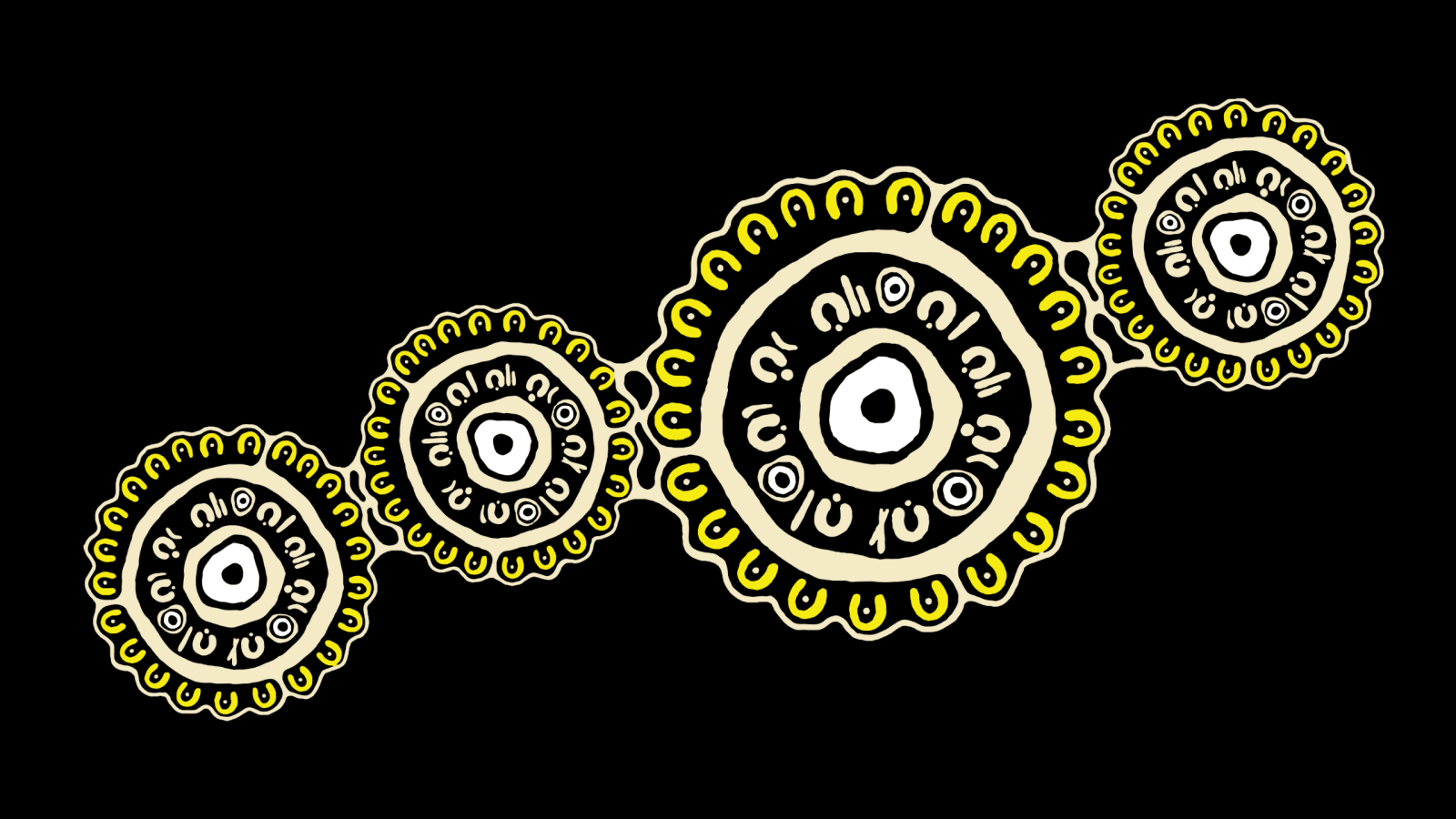
- Cultural Events: numerous cultural events have taken place throughout the year, including a weaving workshop for AIA’s leadership group, a NAIDOC cultural education workshop for all staff, a First Nations art workshop in Gadigal Action Centre which resulted in a piece curated for Amnesty by employees using traditional techniques, and a First Nations nutrition and cooking workshop held online.
- And we are privileged to work with five First Nations employees.
Reconciliation is a deep commitment, not a campaign
It is collaboration. It is healing. At Amnesty, we haven’t been perfect, but we are dedicated to continuous learning and seeing this necessary work through. Our goal is to lead by example and normalise accountability by embedding reconciliation into our core operations. Reconciliation is not optional – it is central to human rights, justice and equity in Australia and beyond.
This is not a moment. It’s a movement.
Watch this space.
Resources
When we take reconciliation seriously, we send a clear message: that it’s not the responsibility of Aboriginal and Torres Strait Islander peoples to carry this burden alone. It is the collective responsibility of all who live and work on this land.
Take action
- Visit Reconciliation Australia to learn more about RAPs
- Read and reflect on the Uluru Statement from the Heart
- Audit your own policies and practices through a reconciliation lens
- Support and follow First Nations-led organisations and media
Let’s make reconciliation real — not just in our values, but in how we live and lead.
Amnesty International is a global movement of more than 10 million people who take injustice personally. We are campaigning for a world where human rights are enjoyed by all – and we can only do it with your support.
Act now or learn more about our human rights work.