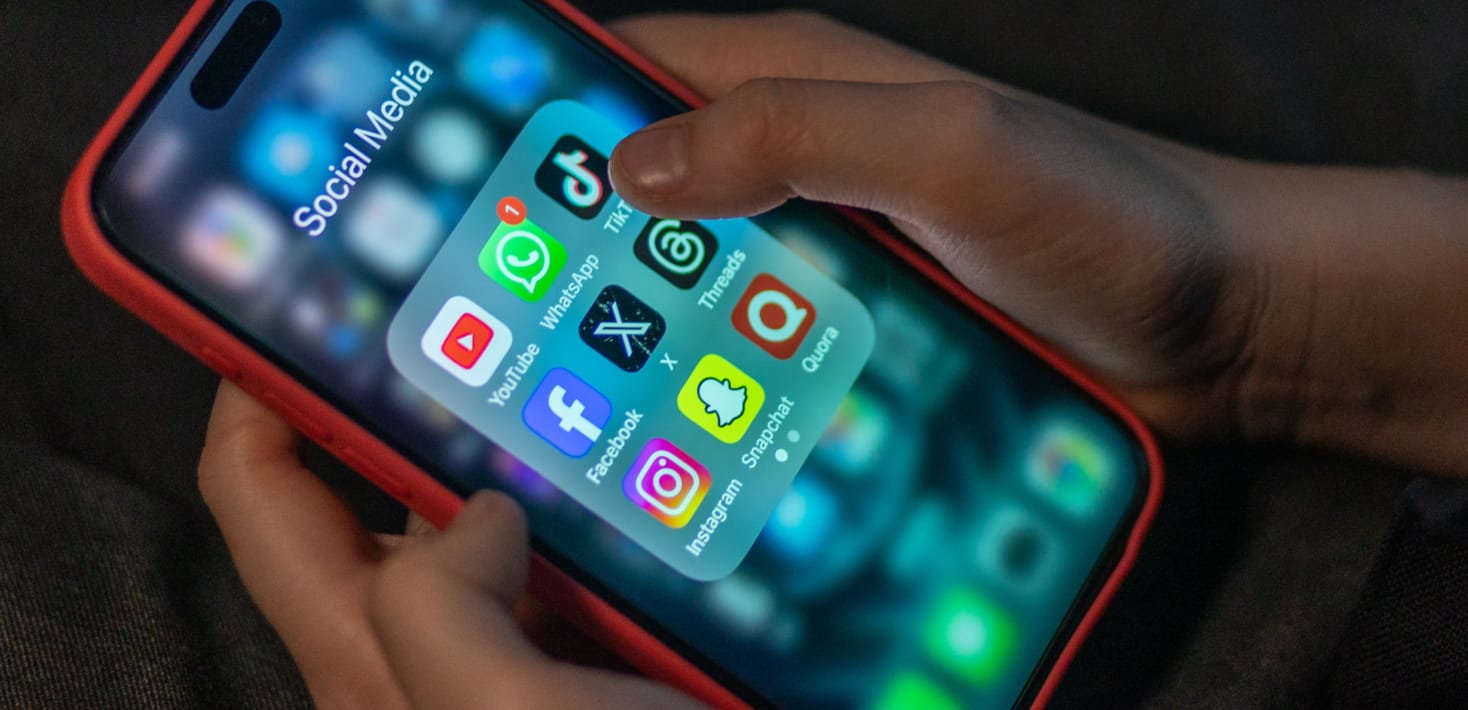
Responding to a new Australian law prohibiting children and young people under 16 from using social media, Damini Satija, Programme Director at Amnesty Tech said:
“Rather than banning children and young people from social media, the Australian Government should impose strict regulation on platforms to better protect children’s privacy, right to peaceful assembly online, right to health and freedom of expression.
“A ban is an ineffective quick fix. What is needed are robust safeguards to ensure social media platforms stop exposing users to harms through their relentless pursuit of user engagement and their exploitation of people’s personal data. These systems are pervasive and require stronger technical and regulatory measures to adequately protect users.
“The most effective way to protect children and young people online is by protecting all social media users with stronger data protection laws.”
Damini Satija, Programme Director at Amnesty Tech
“While social media platforms’ practices can and do harm young people’s rights, young people also have a right to express themselves online, access information and participate in the digital town square. Social media provides benefits such as inclusion, connection, creativity, learning, health information and entertainment, all of which helps them with their mental health. The protective narrative of the government dismisses teenagers as political actors who use social media to mobilise and shape political debates.
“A ban simply lets platforms off the hook whilst failing to address the issues that young people will continue to face later on, most likely in secret as many will find ways to avoid the restrictions, exposing them to even greater risks. The most effective way to protect children and young people online is by protecting all social media users with stronger data protection laws. Tech can’t be the only sector that cannot be regulated.
“Age verification methods requiring the uploading of biometric data or identification documents to platforms with poor histories of protecting data creates risks to people’s right to privacy.
“Many young people will no doubt find ways to avoid the restrictions. A ban simply means they will continue to be exposed to the same harms but in secret, leaving them at even greater risk.
“The Australian Government must empower young people with education and tools to navigate social media safely. It must also put pressure on social media platforms to regulate content and make platforms safer and not put profit over the safety of users. A ban is ineffective and out of step with the realities of a generation that lives both on and offline.”
“The Australian government must empower young people with education and tools to navigate social media safely. It must also put pressure on social media platforms to stop putting profit over the safety of users.”
Damini Satija, Programme Director at Amnesty Tech
Background
From 10 December, social media companies must prevent under-16s in Australia from opening accounts and remove existing accounts from their platforms.
A constitutional challenge to the ban was filed on 26 November by Digital Freedom Project and two teenagers at the High Court in Australia, arguing the measure infringes young Australians’ freedom of political communication.
Other countries are considering similar measures. On 26 November, Members of the European Parliament (MEPs) announced their support for an EU-wide social media ban for under 16s. Last week Malaysia also introduced plans to introduce a blanket ban for children under 16 years.
Amnesty International has previously stated that the surveillance-based business models of TikTok, Meta and Google are fundamentally incompatible with privacy rights and cause systematic harm.
Amnesty International is a global movement of more than 10 million people who take injustice personally. We are campaigning for a world where human rights are enjoyed by all – and we can only do it with your support.
Act now or learn more about our human rights work.