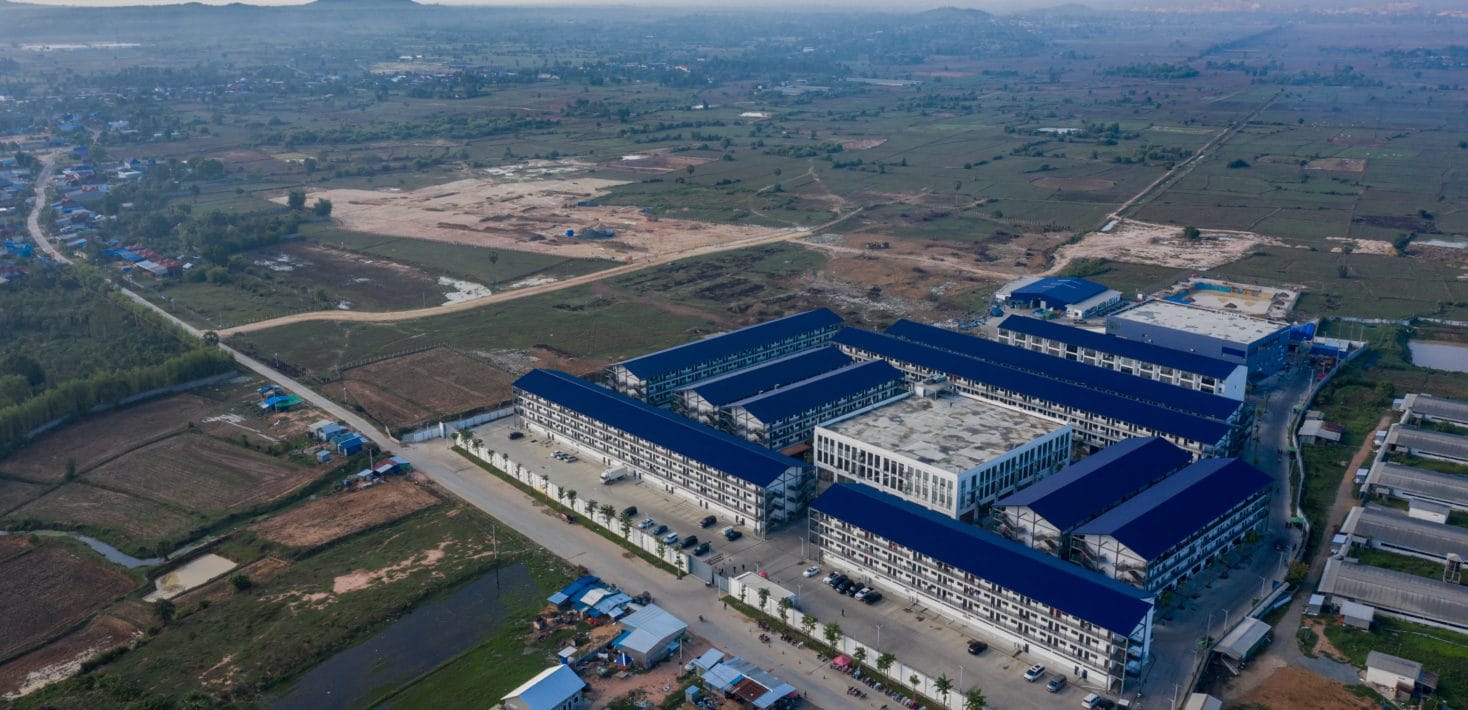
- Thousands of stranded foreign nationals in dire need of consular assistance
- Pregnant survivors report rape by compound bosses
- ‘We had to force our way out’ – survivor
Thousands of people who recently escaped or were released from scamming compounds in Cambodia where they were subjected to grave abuses including rape and torture are now stranded and in urgent need of humanitarian assistance, Amnesty International said after gathering harrowing testimony from survivors.
Interviews with recently enslaved people – almost all foreign nationals – revealed a chaotic and dangerous situation for those who have been left without passports, money, medical care or any pathway to safety after leaving compounds run by criminal gangs. Amnesty spoke to 35 survivors, all of whom were released or had escaped within the past six weeks, including at least 11 released within the past week.
Survivors reported horrendous abuse. Several people told Amnesty of sexual assault by compound bosses, including at least two women who became pregnant as a result of attacks, while other gruesome punishments described included of a man who had his finger chopped off and another who had his throat cut.
“This mass exodus from scamming compounds has created a humanitarian crisis on the streets that is being ignored by the Cambodian government.”
Montse Ferrer, Amnesty International’s Regional Research Director
“This mass exodus from scamming compounds has created a humanitarian crisis on the streets that is being ignored by the Cambodian government. Amid scenes of chaos and suffering, thousands of traumatized survivors are being left to fend for themselves with no state support,” said Montse Ferrer, Amnesty International’s Regional Research Director.
“This is an international crisis on Cambodian soil. Our researchers have met people from Asia, Africa, Europe and the Americas. They are in urgent need of consular assistance in order to help get them home and out of harm’s way.”
‘Many people died’
Amnesty International estimates that thousands of people have been released or escaped from at least 17 scamming compounds across Cambodia in recent weeks. The testimony gathered appears to confirm mass escapes and releases from compounds observed in more than 25 videos geolocated by Amnesty International earlier this month. Many of those leaving compounds are stranded in the capital Phnom Penh and desperate for help. Amnesty spoke to survivors from countries including Brazil, Indonesia, Myanmar, Nigeria, Sierra Leone, Liberia, Uganda, Kenya, Bangladesh, India, Philippines and Madagascar.
Those interviewed reported no police or military presence during or since their escape/release, suggesting a lack of involvement from Cambodian authorities in the mass exodus from compounds. Some said they were met with beatings from guards when they tried to leave, while others were able to leave freely.
Amnesty spoke to two pregnant women who said they were raped by compound managers, while several other survivors reported sexual assault by managers. Many reported witnessing deaths in compounds, principally due to a lack of medical support blocked by compound managers. Others described witnessing torture or other cruel, inhuman or degrading treatment, including of a man who had his finger cut off as a punishment.
“The people we have spoken to are deeply afraid. They urgently need their own governments to step in and help.”
Montse Ferrer, Amnesty International’s Regional Research Director
One survivor told Amnesty International he witnessed the murder of a man who had his throat cut by a compound manager after he was caught trying to escape. Ten other survivors said police visited their compounds regularly, including to remove dead bodies, but without taking any action against the managers.
Another survivor *Delilah*, who escaped from a compound near Phnom Penh in Prey Veng, told Amnesty: “Many people died. We even try to put together money to help repatriate the bodies. People got sick but they don’t help us. I told them I couldn’t breathe. When we forced our way out one guard shot his gun in the air. We had to force our way out because one guy is sick and he doesn’t want to die.”
In other cases, testimony suggested that compound managers had abandoned compounds leaving people free to leave.
Survivor *Mehi* said: “I had been in the compound for 12 months, fearing for my life. But one day several of us woke up and realized the compound managers had left the site and the security guards were gone. The doors and gates were left open and we walked out.”
Anti-trafficking groups in the area told Amnesty International the Cambodian government is not protecting or properly identifying victims of human trafficking, leaving them without support and vulnerable to exploitation by organized criminal groups operating in the area.
“The people we have spoken to are deeply afraid. They want to return home, but many have no passports or no money, let alone enough to purchase a flight out of the country,” Montse Ferrer said.
“The Cambodian authorities appear to be doing nothing to help, and NGO support is insufficient, especially in the wake of widespread aid funding cuts over the past year. These people urgently need their own governments to step in and help.”
Background
Amnesty International has previously interviewed more than 100 victims of the scamming industry who are often trafficked into compounds from outside of Cambodia where they are then enslaved, forced to scam or recruit others, deprived of their liberty and tortured if they do not comply with the orders of their bosses.
In July 2025, the Cambodian government announced a nationwide crackdown on scamming compounds in the country. The government later said it had freed more than 3,000 victims of human trafficking.
In June 2025, an Amnesty International report found that more than 50 scamming compounds across Cambodia were sites of widespread slavery, human trafficking, forced labour, torture and other human rights abuses, operating as prison‑like facilities controlled by organized criminal groups. The report concluded that Cambodian authorities had failed to prevent or address these violations, with evidence pointing towards state complicity or deliberate inaction that had allowed the industry to flourish.
Amnesty International is a global movement of more than 10 million people who take injustice personally. We are campaigning for a world where human rights are enjoyed by all – and we can only do it with your support.
Act now or learn more about our human rights work.