Amnesty International Australia (AIA) acknowledges the findings of Northern Territory Coroner Elisabeth Armitage following three years of inquiry into the fatal shooting of Warlpiri and Luritja teenager Kumanjayi Walker by police office Zachary Rolfe. Rolfe was charged with the murder of Kumanjayi Walker but was acquitted at trial.
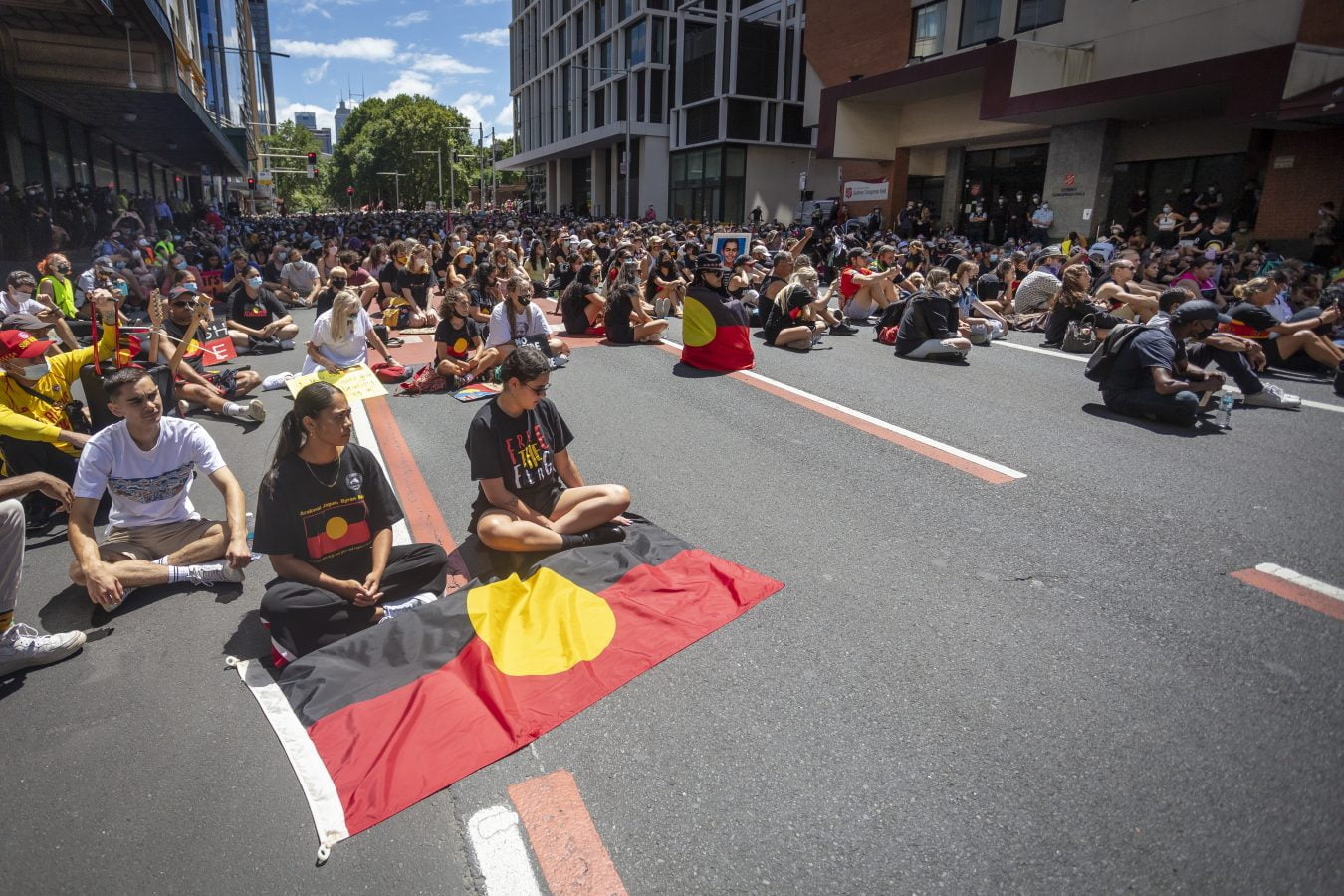
AIA stands in solidarity with Kumanjayi Walker’s family, community and the Warlpiri and Luritja people during this profoundly difficult time and pays tribute to their strength, persistence and leadership in their pursuit of accountability, justice and reform.
We note Kumanjayi Walker’s family’s response to the coroner’s recommendations, including the validation they felt that the coroner found structural racism within the NT police. Indeed, Coroner’s finding that “this was not a case of one bad apple” and that NT Police was an organisation with institutional racism echo what Kumanjayi Walker’s family and the community in Yuendemu have been asserting for years. The coroner also found that Zachary Rolfe himself was racist and that his racist views may have led to his conduct on the night he fatally shot Kumanjayi Walker.
Amnesty International Australia supports the key demands of Kumanjayi Walker’s family, including that police be held accountable for violence, racism and deaths in custody. We share the family’s disappointment that the coroner’s recommendations did not go far enough in this regard. Police should not investigate themselves and internal accountability mechanisms will never deliver just and transparent outcomes, especially in a police force found to be institutionally racist.
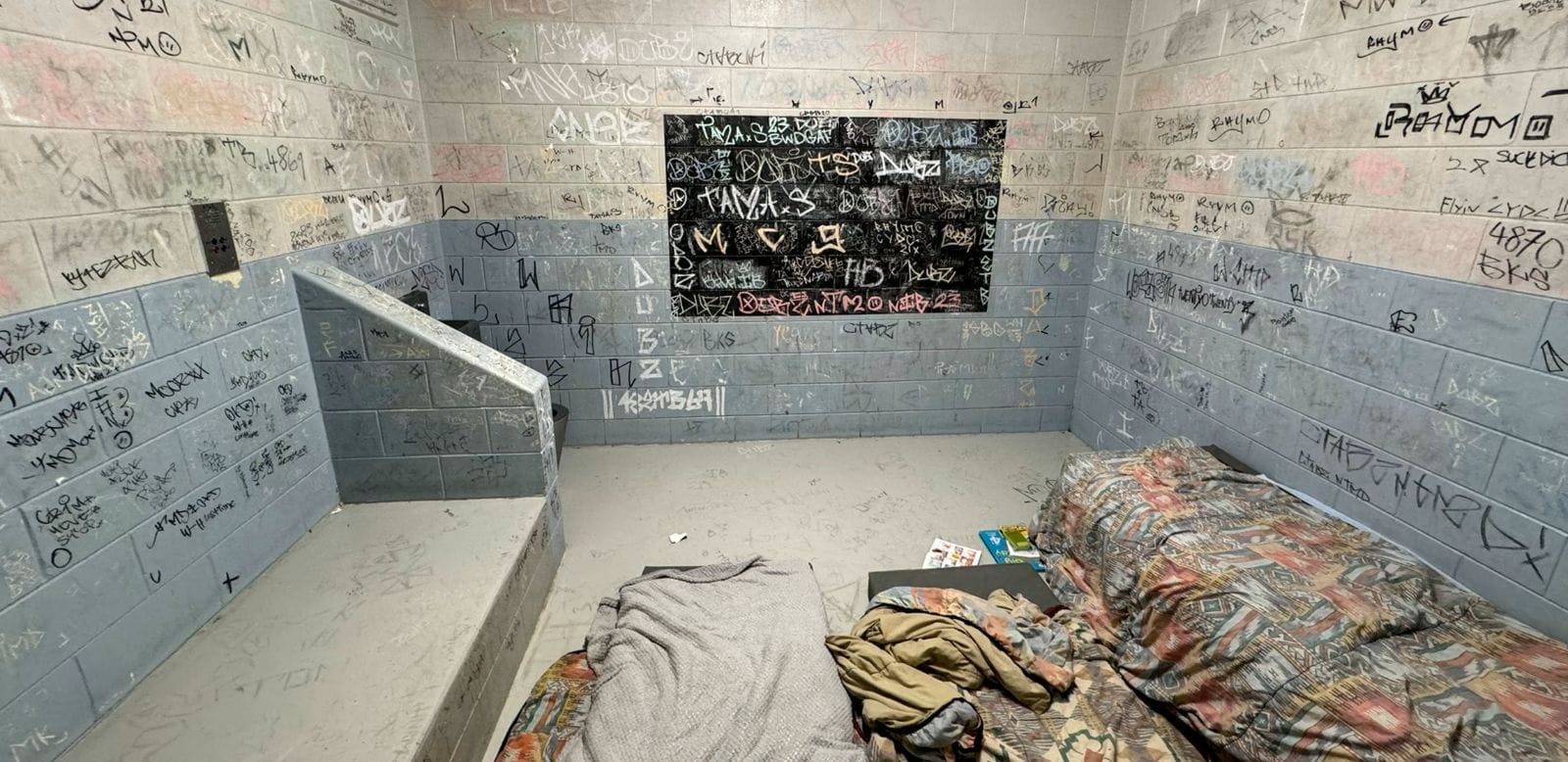
AIA notes Coroner Armitage’s condemnation of youth detention and its adverse effects on Kumanjayi Walker, finding that the conditions of youth detention were not conducive to his rehabilitation.
AIA has long advocated for the closure of youth detention facilities, investment in diversionary programmes for young people facing criminalisation and for the age of criminal responsibility to be raised to at least 14 years old. These calls are shared by Kumanjayi Walker’s family who have repeatedly called for better investment in diversionary programs in Yuendemu and a divestment from prisons.
The Northern Territory government must adopt the recommendations of this coronial inquest to ensure that systemic racism is addressed within the police force and criminal system and to give the people of Yuendemu greater power over the decisions that affect their community.
Amnesty International is a global movement of more than 10 million people who take injustice personally. We are campaigning for a world where human rights are enjoyed by all – and we can only do it with your support.
Act now or learn more about our Indigenous Justice campaigns.