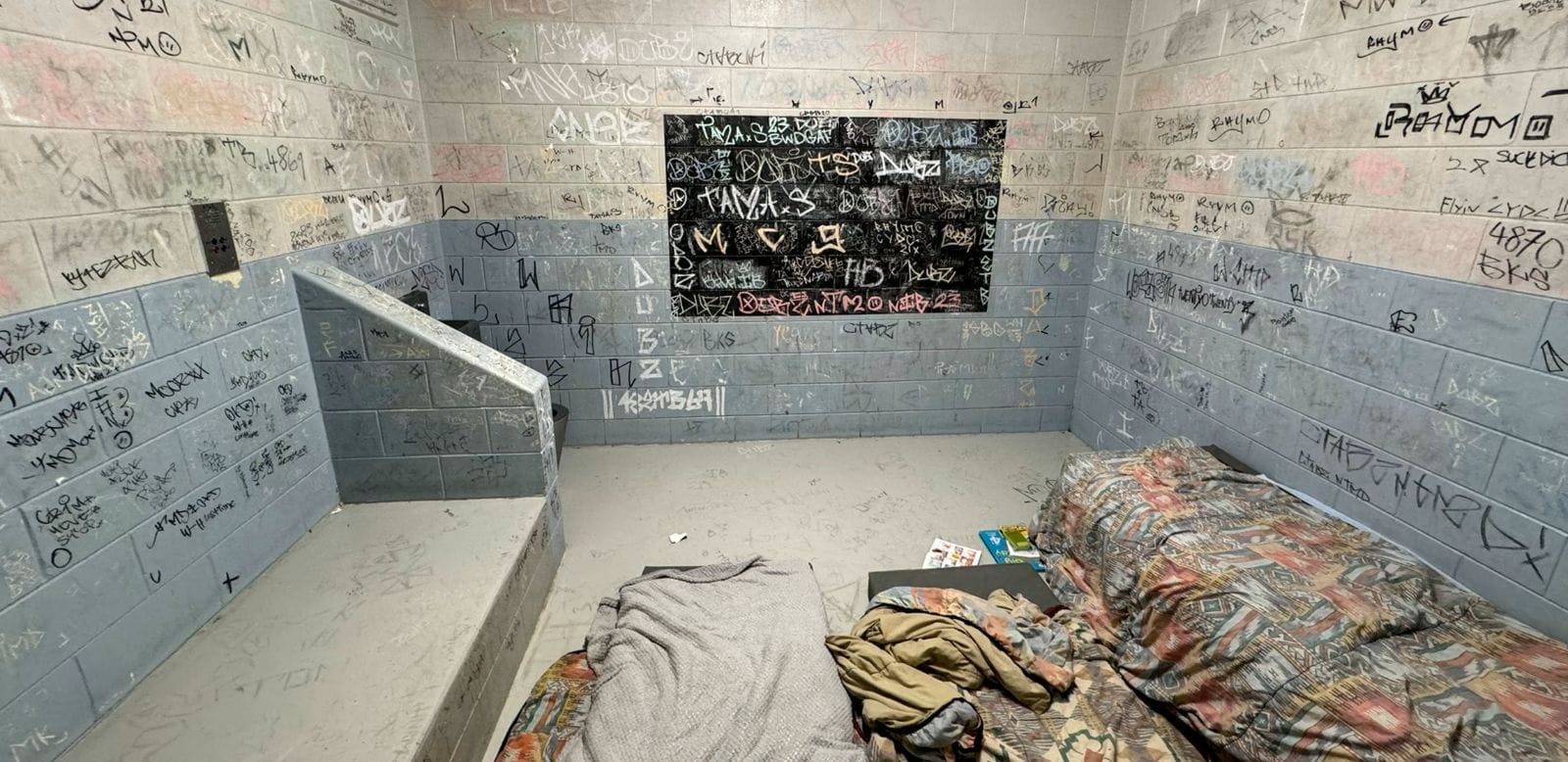
The 15th of April marks 35 years since the Royal Commission into Aboriginal Deaths in Custody handed down its final report, with 339 recommendations to address the alarming number of Aboriginal and Torres Strait Islander deaths in custody. Since then, at least 630 people have died in custody, and not a single state, territory, or federal authority has been held accountable.
Key recommendations, including reducing arrests, expanding alternatives to imprisonment, improving access to healthcare and legal services, and addressing the root causes of incarceration, have been ignored.
“If this number of First Nations Peoples had died at once this would have been regarded as a massacre, yet no authority has been held accountable for this long-running tragedy,” said Uncle Rodney Dillon, Palawa Elder and Amnesty International Australia’s Indigenous Rights Advisor.
“This ongoing massacre would not have occurred had the Commission’s recommendations been fully implemented. Yet they continue, even as recently as just weeks ago.”
Amnesty International Australia condemns the persistent failure of governments to act, and the entrenched cycles of harm, abuse, and injustice faced by First Nations Peoples in custody. Families and communities deserve justice, accountability and an end to this violence.
“These cycles of abuse reflect the racism embedded in systems that continue to take the lives of First Nations Peoples. If governments across Australia have nothing to hide, why block independent inspections of detention facilities while sending representatives overseas to defend the indefensible? Why not let them in?”
“Federal and state and territory governments should hang their heads in shame. We cannot continue to mourn preventable deaths while those in power evade responsibility. We need justice, accountability and for the massacres to end once and for all,” Uncle Rodney Dillon said.
Amnesty International Australia calls on governments to urgently meet their international human rights obligations by fully implementing all 339 recommendations. They must properly ratify the Optional Protocol to the Convention against Torture (OPCAT) and raise the age of criminal responsibility to at least 14 in line with the Convention on the Rights of the Child. Governments must end practices that amount to torture or ill-treatment, including solitary confinement, the use of spit hoods, and the detention of children in adult facilities.
Background
The Royal Commission was launched to investigate and report on the social, cultural and legal issues after a growing outrage at the increasing number of Aboriginal and Torres Strait Islander deaths in police and prison custody. The report concluded that First Nations Peoples had higher changes of dying in custody simply because they had a higher chance of being put in custody to begin with, identifying systemic discrimination as the key driver of over-incarceration.
Since the Commission handed down its report, federal and state and territory governments have repeatedly failed to meet their international human rights obligations. It has blocked independent inspection of detention facilities by UN officials, delayed implementing the OPCAT and resisted scrutiny from bodies, including the United Nations Human Rights Council. Despite calls from more than 30 countries to end the detention of children under 14 and address systemic abuses, there has been no meaningful action.
Amnesty International is a global movement of more than 10 million people who take injustice personally. We are campaigning for a world where human rights are enjoyed by all – and we can only do it with your support.
Act now or learn more about our human rights work.