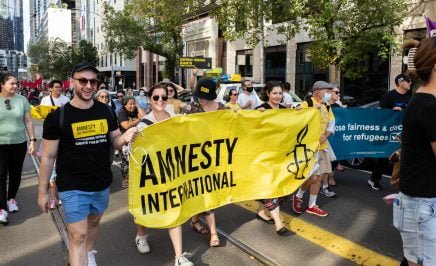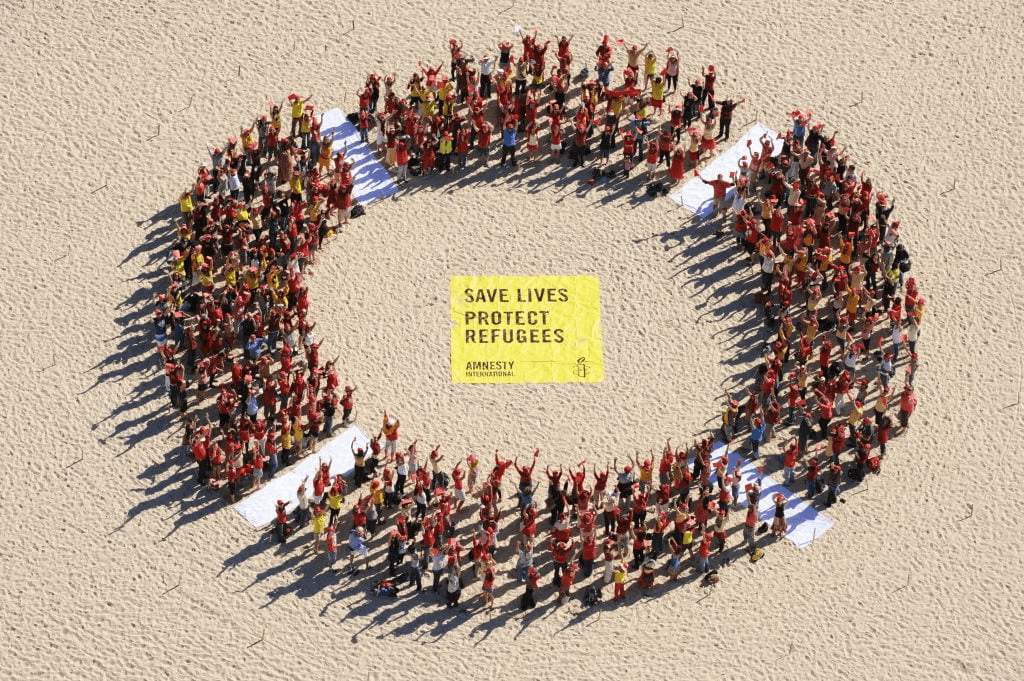
Every year in June, Amnesty International Australia joins the global community in celebrating Refugee Week, culminating in World Refugee Day on 20 June. It’s a week that does two important things at once: celebrates the incredible contributions refugees make to our communities, and shines a light on the urgent challenges they still face.
Over 120 million people worldwide have been forced to flee their homes. That’s more than 1 in 73 people globally who are now forcibly displaced. The conflict in Sudan and ongoing genocide in Palestine are driving some of the world’s largest humanitarian crises. Here in Australia, thousands of people seeking safety face uncertain futures, policy barriers, and social isolation.
But across the country, ordinary Australians are proving that when communities come together, extraordinary change happens.
This toolkit is your gateway to joining that movement. Whether you’re completely new to refugee rights advocacy or you’ve been campaigning for years and want fresh approaches, you’ll find practical ways to make a real difference during Refugee Week and beyond.
Over seven days (15-21 June), we’ll explore critical issues from Afghan women’s resistance through sport to community sponsorship programs, from medical evacuations to permanent protection. Each day brings opportunities to learn and connect with grassroots organisations.
This year’s theme, “Finding Freedom,” recognises that freedom isn’t just about escaping danger. It’s about finding belonging, safety, and the chance to rebuild. As you engage with this toolkit, you’re helping create the communities where that freedom becomes possible.
Refugee Week 2025: 7 things you should know
Ready to be part of something bigger? Let’s begin.
7 days, 7 actions

Day 1: Afghan Women & Girls (sport as resistance)
Afghan women and girls are banned from education, sport, and public life under Taliban rule. Now they’re fighting for their basic rights and freedoms from exile whilst advocating for those still trapped inside Afghanistan.
🎬 Watch: Fatima Yousufi’s Story
Advocate for Australia to raise its humanitarian intake for Afghan women and girls seeking safety.

Day 2: Medical Evacuation (restoring life-saving healthcare)
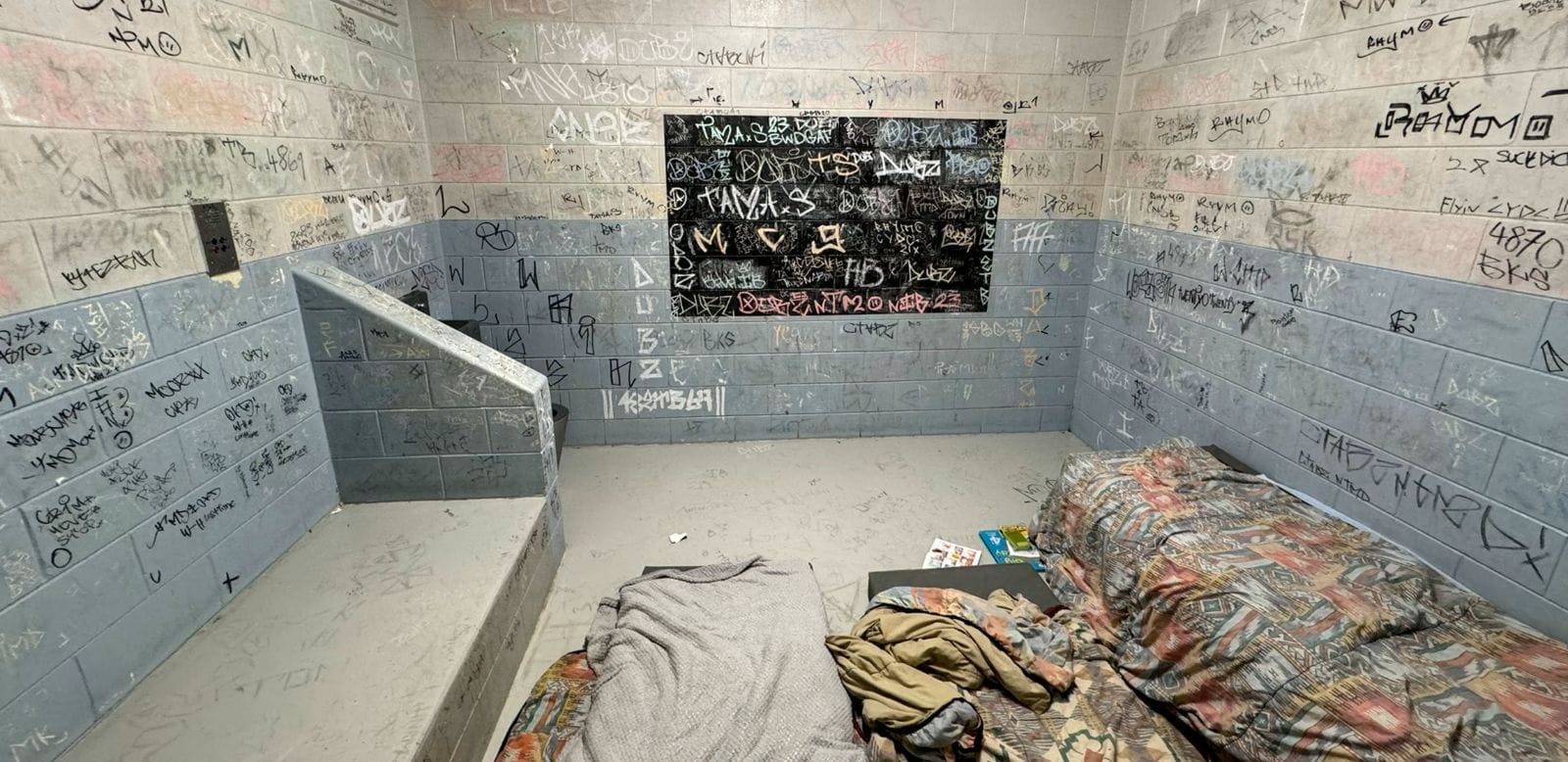
Over 30 refugees remain in Papua New Guinea without adequate medical care, 12 years after Australia sent them there, with over 100 people still held on Nauru. Before Medevac was repealed, 192 people were transferred to Australia for urgent, and often lifesaving, medical care. Since then, 12 people have died from treatable illnesses while doctors and human rights groups fight to restore this life-saving legislation.
Ask your MP to support the Migration Amendment (Restoring Medevac) Bill 2025 to stop preventable deaths now.

Day 3: Rohingya Refugee Crisis (supporting stateless communities)
Over 1 million Rohingya have fled and are living in inhumane conditions in Cox’s Bazar, the world’s largest refugee settlement. Despite international recognition of systematic violence as genocide and Australia’s own sanctions against Myanmar’s military, and pledge to increase resettlement at the 2023 Global Refugee Forum, this crisis continues. Only a few hundred Rohingya refugees have been accepted since 2008, whilst NSW Young Women of the Year Noor Azizah and her Rohingya Maìyafuìnor Collaborative Network (women-led emergency aid organisation) continue fighting for their people’s future.
Call on Australia to commit specific Rohingya resettlement places and amplify women-led advocacy like RMCN.

Day 4: Queer Refugee Rights (identity-based protection)
LGBTQ+ refugees face persecution, imprisonment, and death in their home countries simply for existing, then encounter additional invisibility and safety risks during refugee assessments. The Forcibly Displaced People Network (FDPN), Australia’s first LGBTIQA+ refugee-led organisation, advocates for community-led solutions and fights for those who cannot safely advocate for themselves.
Push for inclusive refugee processes that protect LGBTQ+ people seeking asylum.

Day 5: People Failed by Fast Track (permanent protection for 7,000+)
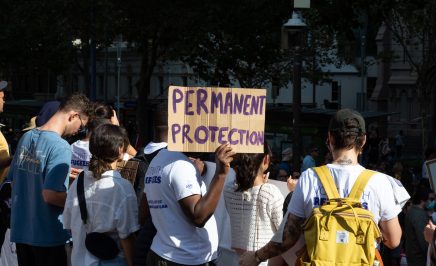
Around 7,000 people remain trapped in limbo after Australia’s deeply flawed and unfair Fast Track system was abolished, having waited over a decade for permanent protection. The 100-day protest movement saw hundreds camping in major cities for three months, demanding justice for families with children growing up on temporary visas.
Fast Track Explained: Australia must give permanency to people seeking asylum
Stand in solidarity with people failed by the fast track system and fight for permanent protection pathways.

Day 6: Permanent Protection for Palestinians (justice on World Refugee Day)
Over 52,000 people have been killed in Gaza, nearly a third children, with 1.9 million forcibly displaced. Almost 70% of Palestinian visa applicants (over 7,600 people) have been refused, while only 1,500 of those granted visas could reach Australia. Since late 2024, the government has issued three-year temporary humanitarian visas with no commitment to permanency, yet temporary protection is inadequate when people have nothing left to return to.
📺 Watch this ABC Documentary – Unsettled: Follow three Palestinian families who’ve fled Gaza, with PARA activists supporting them as they build new lives in Australia.
Stand with Palestinians fleeing genocide and demand permanent protection visas, not temporary uncertainty.

Day 7: Community Sponsorship (expanding proven pathways)
Over one million refugees worldwide have found safety through community sponsorship, with success stories like Nhill, Victoria, where Karen Burmese refugees now make up 10% of the population and have revitalised the community. Yet when local Rotary clubs raise $20,000 to sponsor families, they’re not expanding Australia’s welcome, they’re just saving the government money, as every sponsored refugee reduces our official humanitarian intake.
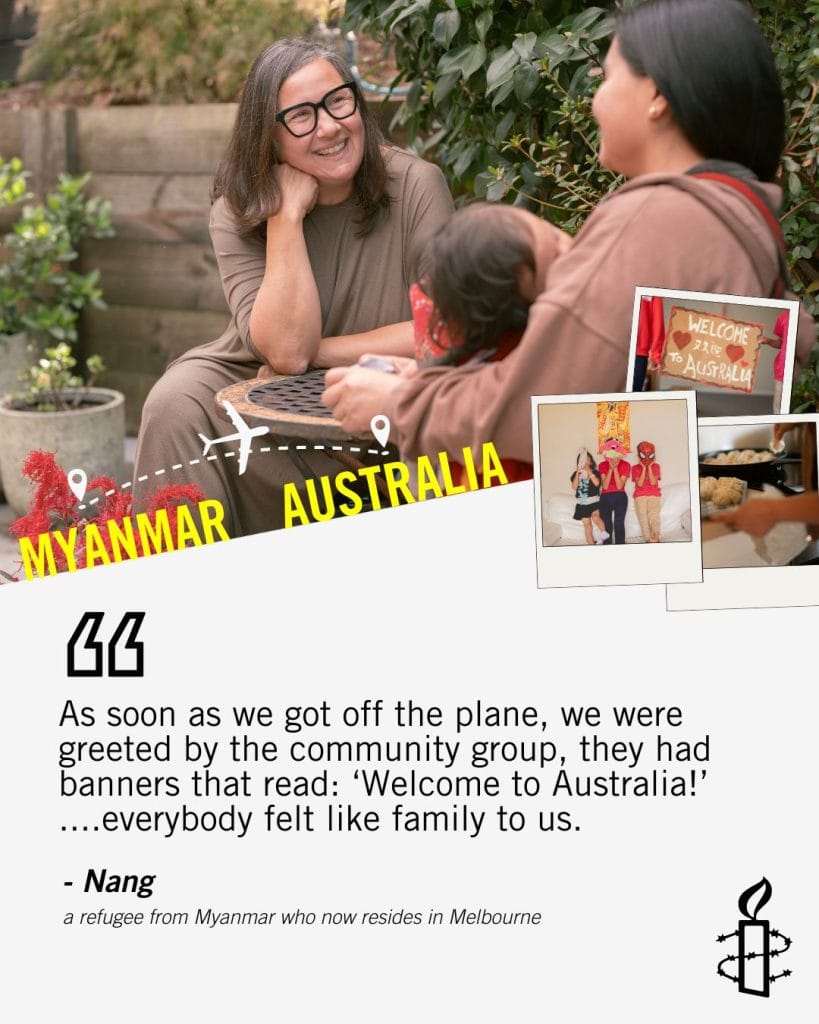
Read: Nang’s story
Campaign for additional community sponsorship places that expand, not replace, Australia’s refugee program.
Three Ways to Participate:
Choose the option that fits your commitments right now. You can always increase your involvement later.
Option 1: Quick Actions (2 minutes)
For anyone who wants to help but has limited time.
What you’ll do:
- One quick action each day (sign a petition, send a message to your MP, or share information)
- Join brief online activities when available
- Time needed: 2 minutes per day during Refugee Week
- Best platform for this: bookmark this page/join the WhatsApp Community/follow @amnestyaustralia
Option 2: Learn and Connect (15-30 minutes daily)
For activists who want to understand the issues better and connect with others.
What you’ll do:
- All the quick actions plus:
- Read background materials, watch videos, join the discussions (online)
- Talk with friends, family, or neighbours about what you’re learning
- Help promote events or write to your MP, your local newspaper, etc.
- Time needed: 15-30 minutes daily
- Best platform for this: join the WhatsApp Community
Option 3: Organise and Lead
For experienced activists or people ready to lead in their communities.
What you’ll do:
- All the above actions plus:
- Attend or organise community events (film screenings, dinners, forums)
- Coordinate group actions
- Lead ongoing activism beyond Refugee Week
- Mentor others getting involved
- Time needed: actions during Refugee Week, plus ongoing monthly engagement
- Best platform for this: join the WhatsApp Community and join the National Amnesty Refugee Network
How to Get Started
Step 1: Choose Your Level of Commitment
Unsure where to start? Begin with Option 1. You can always do more during the week if you feel inspired.
Step 2: Choose How You’d Like to Connect
Digital:
- WhatsApp → Join the action on WhatsApp
- Email → Join the National Amnesty Refugee Network to follow along on email
- Bookmark this page to check for daily actions
Non-digital:
- Local groups → Find activists meeting near you
- Local events → Find Amnesty events near you
Refugee Week Website Resources:
- 🌐 Website: Access the full resource library at refugee week resources
- 🎥 Virtual events: Look for online events near you on their events calendar
Step 3: Start Today
Before Refugee Week begins:
- Choose your communication method above
- Connect with one local organisation working on these issues
- Download the daily action guide [available from 13 June]
During Refugee Week (15-21 June):
- Check your chosen communication channel each morning for daily actions
- Share your involvement to inspire others (if you’re comfortable doing so)
- Remember: small actions add up, and change takes time
After Refugee Week:
- Join monthly meetings with the National Amnesty Refugee Network (optional)
- Join the Refugee Rights Campaign channel on WhatsApp
- Continue following the organisations you’ve discovered
- Plan ongoing engagement with your new community
- Consider helping others get involved next year
If you’re feeling discouraged: Refugee Rights work is a marathon, not a sprint. Every action matters, even when change feels slow. Connect with others in the community for support and perspective.
Safety and Self-Care
- Recognise Your Limits: It’s OK to take breaks from difficult content. Feeling overwhelmed doesn’t mean you care less.
- Self-Care Strategies:
- Set boundaries on crisis news consumption
- Balance difficult stories with positive action
- Connect with like-minded people
- Take time for restorative activities
- Campaigning for human rights can be difficult. Burnout and vicarious trauma can happen and it’s important to keep an eye out for the signs in yourself and your friends. You can check out our Sustainable Activism & Self-Care guide and workshop here. It examines how we can better take care of ourselves as activists and what you can do to make sure your activism is sustainable!
Essential Resources
- Follow for Daily Updates: @amnestyoz – Campaigns and actions, WhatsApp – Join the online community
- Understanding Refugee Rights – Tackling Misinformation and Disinformation
- Key Websites: Refugee Week Australia – Official events, Refugee Council Directory – Local organisations
- Podcasts for Understanding: [to be updated]
Organise your own Refugee Week event!
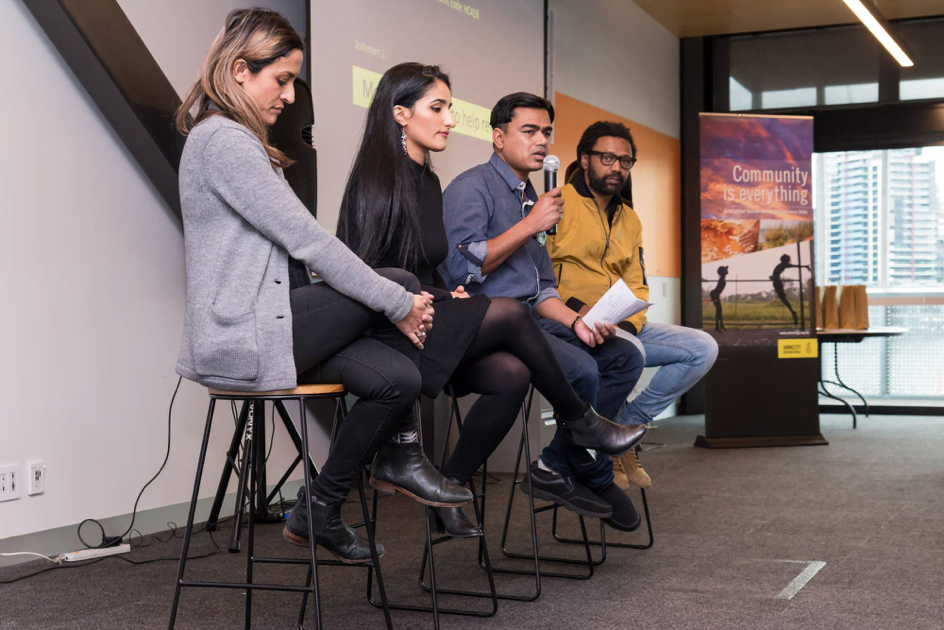
You can organise a broad event exploring the impacted communities and solutions available, or focus on one or two actions or thematic areas that particularly resonate with you and your community.
Dream big with an ambitious film screening featuring refugee stories followed by an action-taking session with all attendees. Or keep it simple with a gathering of friends and family at your local library or favourite café to take meaningful action together.
The heart of any Refugee Week event is creating real change.
Your gathering can focus on collecting petition signatures, writing letters to MPs about critical refugee issues, or sharing stories on social media or any combination of these actions!
You can host your event anytime during Refugee Week (15-21 June) or in the month following. Just remember that any physical actions like petition signatures need to reach us by 31st July 2025 so they can be included in our August advocacy push to Parliament.
Whether big or small, community events are brilliant ways to increase action and ultimately expand our collective impact. They build local awareness about refugee rights issues and demonstrate the power of communities standing together.
No matter what kind of event you decide to host, we’re here to support you every step of the way! Register your event on SupporterBase (or register here if you’re new to our network) and we can provide additional resources and guidance.
💡Event Idea:
Event: Share a Meal, Share a Story
Time: 2-3 hours | Size: 8-30 people
Planning Checklist (2 weeks ahead):
- Book an accessible venue
- Check out our Activist Resources page for event planning support
- Choose one of the 7 actions you want to talk about/share stories at your event
- If you would like to have a speaker at the event, contact us to organise a speaker or the ASRC has a list of speakers who are great advocates for these issues (offer transport, meal, honorarium)
- Organise food (potluck with refugee cookbook recipes OR catered from refugee-owned restaurants)
- Prepare info materials
- Set up: dining space, speaking area, info table
Event Flow:
6:00-6:30pm: Arrival, name tags, food setup
6:30-7:15pm: Shared meal with conversation
7:15-8:00pm: Story + Q&A
8:00-8:30pm: Connect, plan next steps, exchange contacts
Follow-up (within 1 week):
- Thank you email to all participants
- Share photos (with permission)
- Connect people with ongoing opportunities
- Plan next gathering
Other Event Ideas:
- Film screenings
- Book clubs
- Walking discussions: Combine exercise with learning
- Workplace lunch sessions: Documentary + discussion
Check out events happening around Australia here.
Helpful Resources
- Log your event so it’s promoted on our website and so we can provide additional support and resources. Log your event through SupporterBase (or if you aren’t on SupporterBase yet you can log your event here).
- Activist Comms Team Brief – Get in touch with our amazing Activist Communications Team that can help with promotion for your event!
- Use our handy Events & Tactics Checklist when organising your Refugee Week event!
Let us know how it went!
- Please fill out the Event Evaluation Form to let us know how your event went—evaluations enable us to report on events, recognise your work and address any issues.
- Share your pictures and success via the National Facebook group for activists.
- Send all your petitions back to the Sydney action centre at: Amnesty International, Locked Bag 23, Broadway NSW 2007 OR scan and email them to supporter@amnesty.org.au and we’ll post them to the target and include them in the handover in August 2025.
Important note: we need at least one contact method to verify that an action taker is a unique individual. When collecting actions, please ensure action takers provide at least one point of contact (phone, email address or home address) so we can process their actions, count them towards the action total and include them in the handovers! For more information about how Amnesty collects, stores and uses personal information, please review our privacy policy.