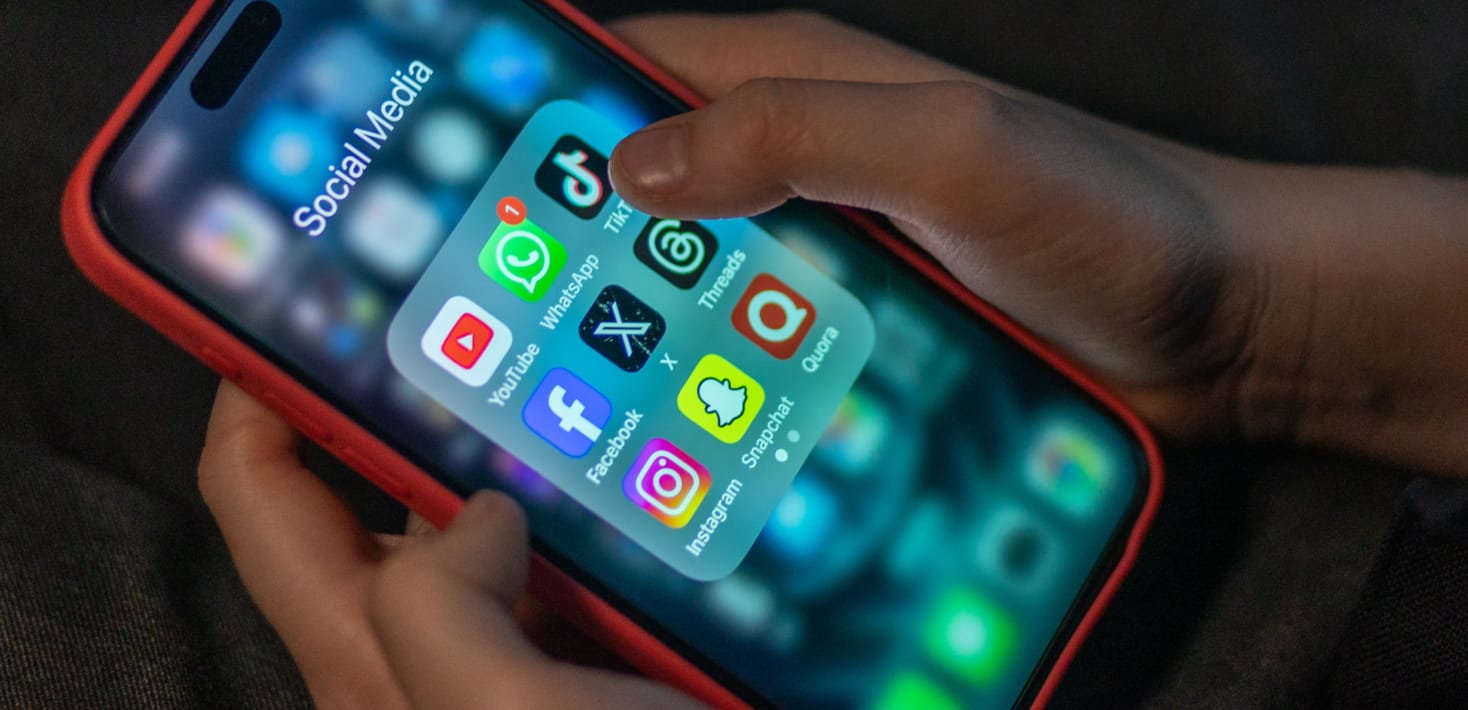
Proposed amendments to India’s digital regulation rules would grant authorities wide-ranging powers to police, censor and remove users’ content, Amnesty International has warned in a new legal analysis of the proposals.
“The rules governing online spaces have progressively become more restrictive, with each successive amendment expanding state control over digital content,” said Aakar Patel, Amnesty International India’s Chair of Board.
“These amendments go further still, effectively turning social media platforms into enforcement arms of the state.”
Aakar Patel, Amnesty International India’s Chair of Board
- How current rules that apply only to publishers and intermediaries would be broadened to cover “news and current affairs content” posted by ordinary users, extending authorities’ powers of censorship to ordinary users
- How the amendments would confer wide-ranging powers on authorities to order the deletion or modification of content, and to impose a range of penalties on users, without a complaint mechanism and without independent or judicial oversight.
- How the amendments would make the intermediaries’ legal immunity from liability for third-party content contingent on following executive orders passed by the Indian government without legislative or public scrutiny.
- How the amendments would allow authorities to retain users’ data for an indefinite period, without clear limitations, independent oversight, and strict necessity requirements.
In recent months, there have been several high-profile cases of online censorship in India. They include stand-up comedian Pulkit Mani, who had a satirical video in which he mimicked Prime Minister Narendra Modi blocked from Instagram in March.
On 18 March, MeitY ordered X, the social media platform, to block 12 accounts under Section 69A of the IT Act, which X did despite subsequently raising concerns that most of the content on those accounts did not appear to break the law.
Amnesty International is a global movement of more than 10 million people who take injustice personally. We are campaigning for a world where human rights are enjoyed by all – and we can only do it with your support.
Act now or learn more about our human rights work.