In a world of mis- and disinformation, the truth gets targeted first
When a human rights violation occurs, we are left with fragments of blurred videos, images and conflicting accounts. Our job is to turn those fragments into verified truth.
That’s why we’re sharing with you the power of Amnesty International’s Crisis Evidence Lab, and the real-world impact this work has on exposing human rights abuses and holding those responsible to account.
The Crisis Evidence Lab
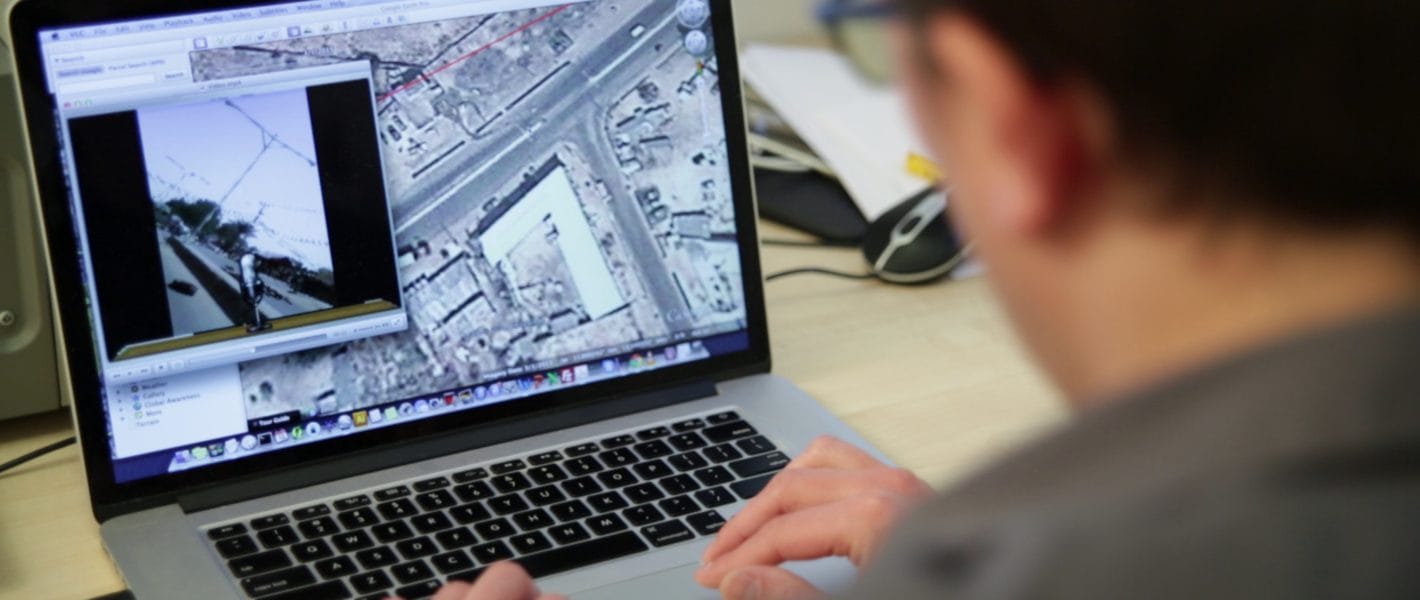
The Crisis Evidence Lab involves Amnesty’s digital investigations team working to actively monitor crises and verify human rights violations in real time.
They combine individual testimonies with cutting edge technology and digital evidence – such as satellite imagery, open-source research, digital reconstructions, remote sensing, crowdsourcing and data science – to piece together the hidden truth, turning data into undeniable evidence to foster accountability.
Amnesty works around the clock to document attacks, verify evidence and expose the violations in some of the most challenging conditions. The Crisis Evidence Lab brings together on the ground researchers, open source and visual investigators, remote sensing experts, weapons analysts, data scientists, developers and other experts to conduct investigations and tell the stories of people affected by conflict.
In critical crisis responses that move fast, our work ensures abuses cannot be hidden, those responsible cannot escape scrutiny, and further suffering can be prevented.
These investigations create a trusted record that pressures governments, the UN and States to confront the truth, protect civilians and face accountability. Every image verified, every report published, and every injustice exposed is powered by people who believe in accountability.
In 2023, Amnesty’s Crisis Evidence Lab gathered compelling evidence documenting the use of White Phosphorus artillery shells by the Israeli army in densely populated civilian areas in Gaza. White phosphorus is an illegal, incendiary substance that burns at extremely high temperatures when exposed to air and can continue to burn inside flesh for weeks. It causes horrific pain and life-changing injuries.
The Crisis Evidence Lab was the first to identify US supplied White Phosphorus ammunitions by Israel in Gaza. This is a powerful example on how the Crisis Evidence Lab verifies digital evidence and munitions analysis can help uncover war crimes.
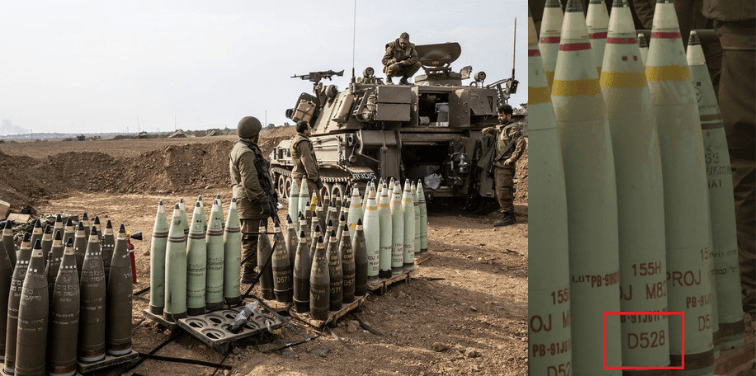
Amnesty’s critical research was cited by Francesca Albanese, Special Rapporteur on the Occupied Palestinian Territory in her reports to the UN Human Rights Council. It was also cited 19 times by South Africa in its case against Israel before the International Court of Justice that warned Palestinians may be at grave risk of genocide.
These examples showcase the power of Amnesty’s impartial and independent research and how we can bring perpetrators to justice.
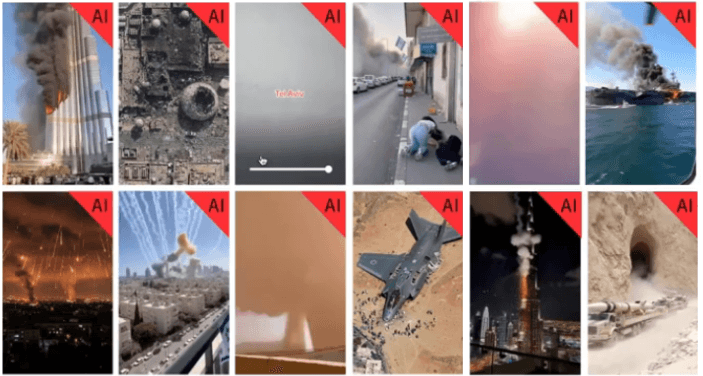
Rapid rise of artificial intelligence is reshaping how truth is obscured in times of conflict
In the recent escalation between the United States, Israel and Iran, AI-generated images and videos have flooded online spaces, often indistinguishable from authentic footage, making the task of verification more complex, urgent, and essential than ever.
When people cannot distinguish authentic from manipulated evidence, atrocities become easier to deny. This is why the work that our Crisis Evidence Lab does is so essential.
In our latest Crisis Evidence Lab webinar, we heard from Milena Marin (Head of Crisis Evidence Lab) and Marija Ristic (Head of Digital Verification Corps) who discuss how Amnesty navigates the “fog of war” during conflicts to uncover violations of international law such as unlawful attacks that kill or injure civilians, destruction and damage of civilian property, or the unlawful use of weapons.
When the truth is proven, it becomes impossible to ignore
Every verified image and video is a story that deserves to be seen and believed. Amnesty supporters have made that possible. As a collection of voices standing against injustice, we are a powerful force for change.
Head to Amnesty Australia’s Instagram to learn more.
Amnesty International is a global movement of more than 10 million people who take injustice personally. We are campaigning for a world where human rights are enjoyed by all – and we can only do it with your support.
Act now or learn more about our human rights work.